








Material Strength Meets Digital Security: The Evolution of Fingerprint and Electronic Locks
The global smart lock industry continues to advance by combining robust physical materials with sophisticated biometric technology. As consumers demand both durability and convenience, manufacturers are increasingly focusing on high-grade alloys and multi-factor authentication. This evolution is particularly evident in the development of theftproof fingerprint locks, password-enabled biometric systems, and comprehensive electronic lock solutions that serve residential, commercial, and hospitality sectors.
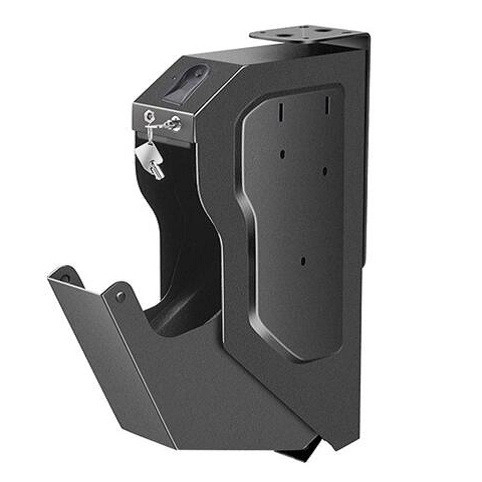
A critical component of modern lock security is the housing material. The zinc alloy theftproof fingerprint lock supplier focuses on producing lock bodies made from corrosion-resistant, high-strength zinc alloy. This material offers excellent castability, allowing for sleek, modern designs while providing substantial resistance against drilling, prying, and other physical attacks. Suppliers in this category ensure that the mechanical integrity of the lock complements its electronic intelligence, creating a robust barrier that deters forced entry. The use of zinc alloy also allows for various finishes—such as matte black, brushed nickel, or chrome—to match diverse architectural styles.
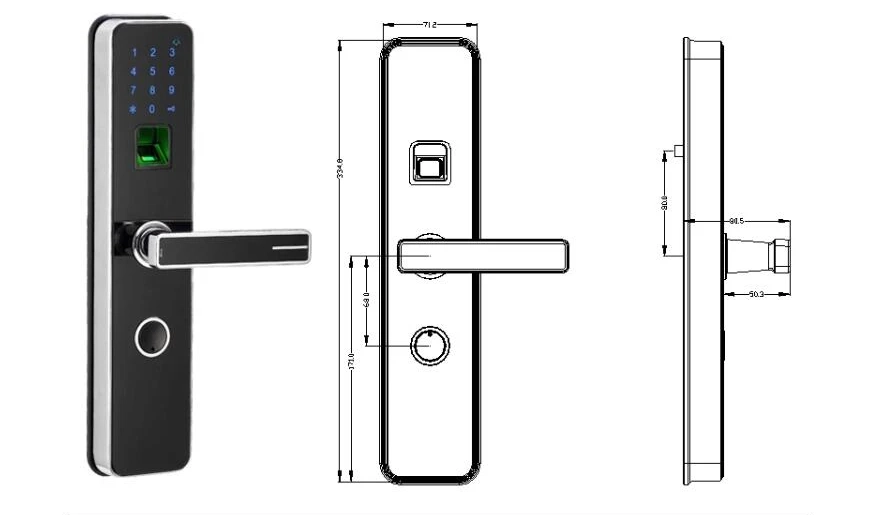
Complementing physical strength is the integration of versatile access methods. A china password fingerprint lock supplier delivers systems that combine biometric fingerprint recognition with a backup PIN keypad. This dual-authentication approach offers users flexibility: they can unlock the door with a quick fingerprint scan or, if the finger is wet or dirty, enter a personalized code. Many models also include features like false code entry (where random digits can be added before or after the real code to prevent observation) and one-time temporary codes for guests or service providers. Such multi-factor locks are increasingly standard in residential and light commercial applications.
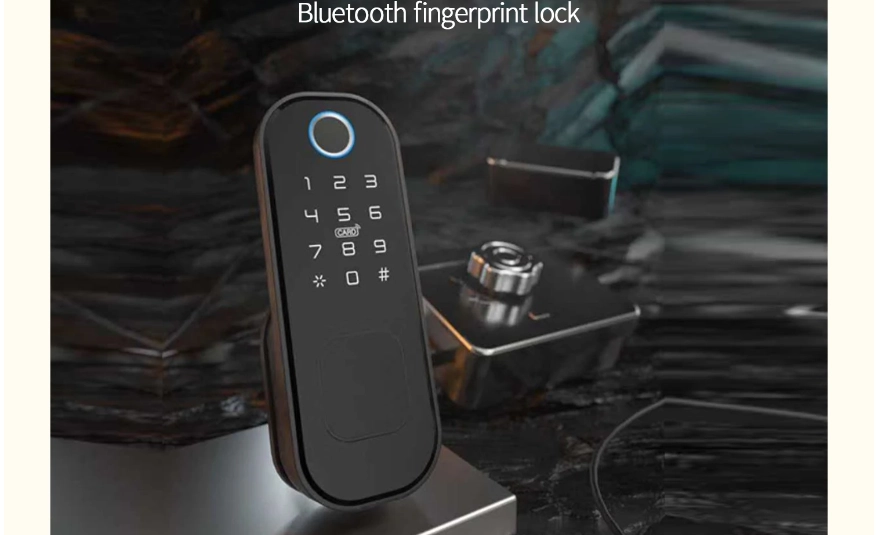
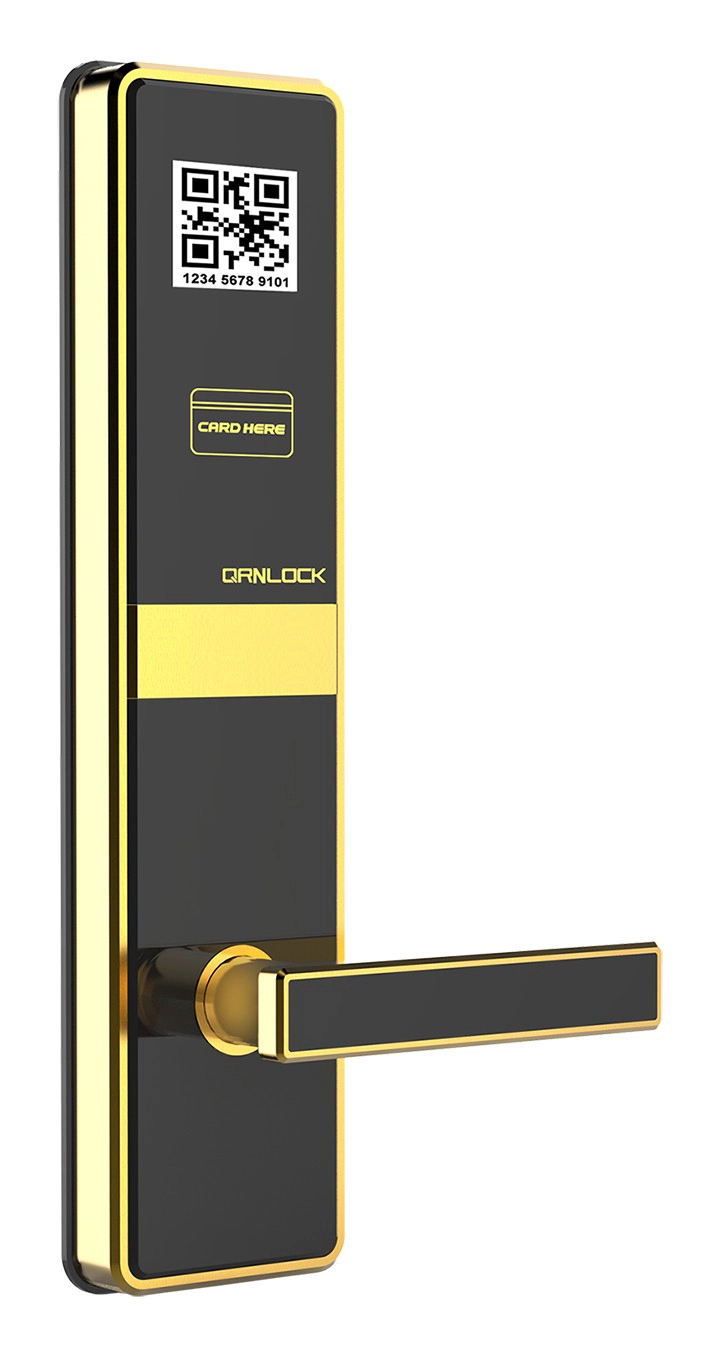
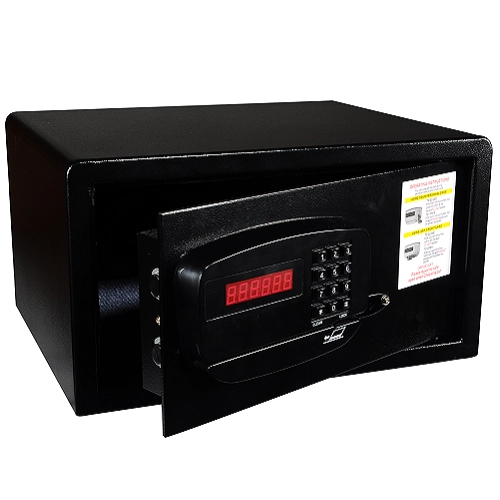
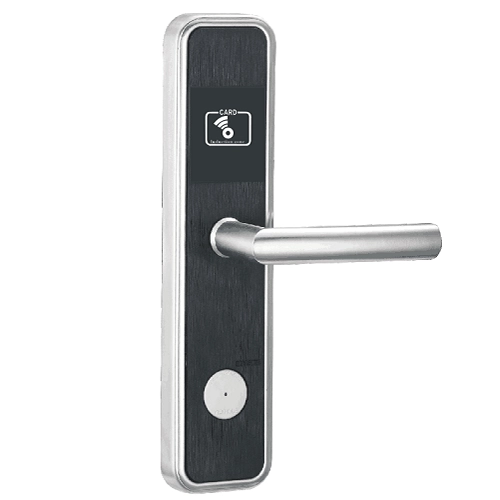
The seamless integration of hardware and electronics requires deep manufacturing expertise. A comprehensive electronic lock manufacturer china oversees the entire production process, from die-casting metal components to assembling sensitive circuit boards and writing secure firmware. These manufacturers ensure that each lock meets international standards for both physical strength (e.g., ANSI/BHMA grades) and electronic reliability (e.g., encryption protocols, battery life). Their vertical integration allows for rapid innovation, incorporating improved sensors, wireless modules, and energy-efficient components into new product lines.
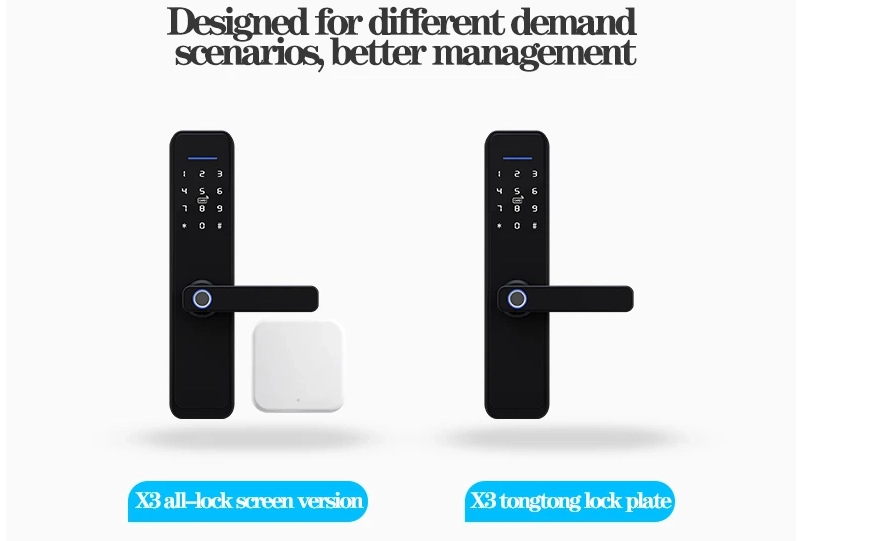
Companies like Ningbo Loyal Mechatronics Co., Ltd. exemplify this integrated approach, applying their experience in electronic control systems to produce reliable, secure locking solutions. Their work spans residential, commercial, and hospitality segments, demonstrating the versatility required to serve global markets with diverse security needs.
Looking ahead, the convergence of advanced materials and biometric technologies will continue. Future electronic locks may incorporate multi-spectral fingerprint sensors resistant to spoofing, self-diagnostic capabilities that alert users to tampering, and deeper integration with smart home ecosystems. As security threats evolve, the combination of theftproof zinc alloy construction and sophisticated electronic access will remain the cornerstone of trust in modern locking systems.


