








Integrated Access: The Convergence of Bluetooth, QR Codes, and Commercial Systems
The modern security landscape is no longer defined by a single credential type. From residential smart homes to large commercial complexes, the demand for flexible, multi‑protocol access solutions is growing rapidly. Bluetooth proximity, QR code scanning, and centralized commercial control systems each offer distinct advantages, and manufacturers are increasingly integrating these technologies into unified platforms. This evolution is supported by specialized factories and suppliers in China that produce versatile, reliable hardware for global markets.
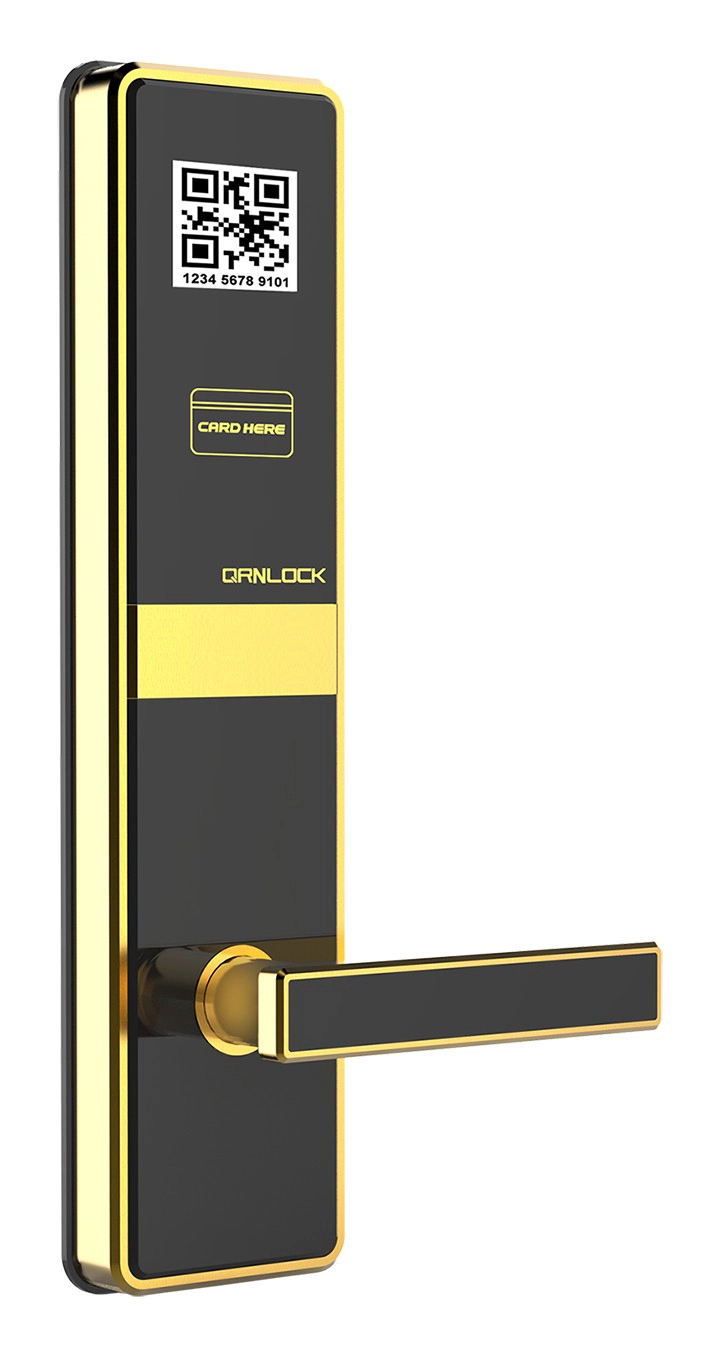
A key enabler of this flexibility is the production of locks that support multiple digital credentials. A china bluetooth qr code door lock factory focuses on manufacturing locks that can be unlocked via smartphone Bluetooth (for seamless, hands‑free entry) or by scanning a time‑sensitive QR code (ideal for visitors or delivery personnel). These factories combine wireless modules, secure encryption chips, and durable mechanical components to ensure reliable operation in both residential and light commercial settings. The ability to offer both credential types in a single lock expands use cases, from short‑term rentals to office shared spaces.
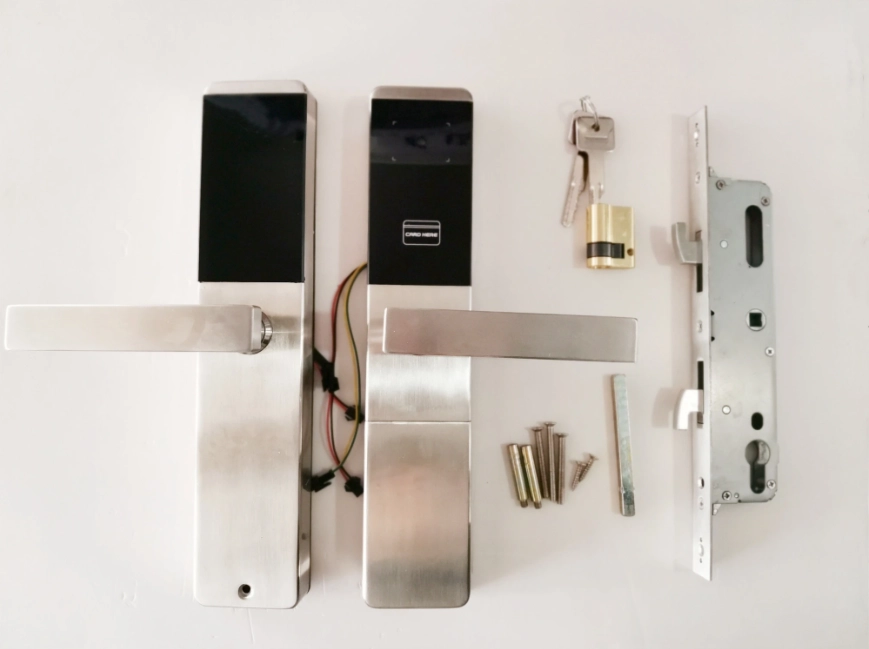
For larger facilities, individual smart locks must integrate into a cohesive security network. A commercial access control system supplier provides the software and hardware backbone that connects multiple doors, elevators, and gates into a centralized management platform. These systems allow administrators to assign access rights, monitor entry events in real time, generate audit trails, and integrate with HR or visitor management systems. Suppliers in this category focus on scalability, cybersecurity, and interoperability with existing building infrastructure, making them essential partners for office buildings, educational campuses, and industrial sites.
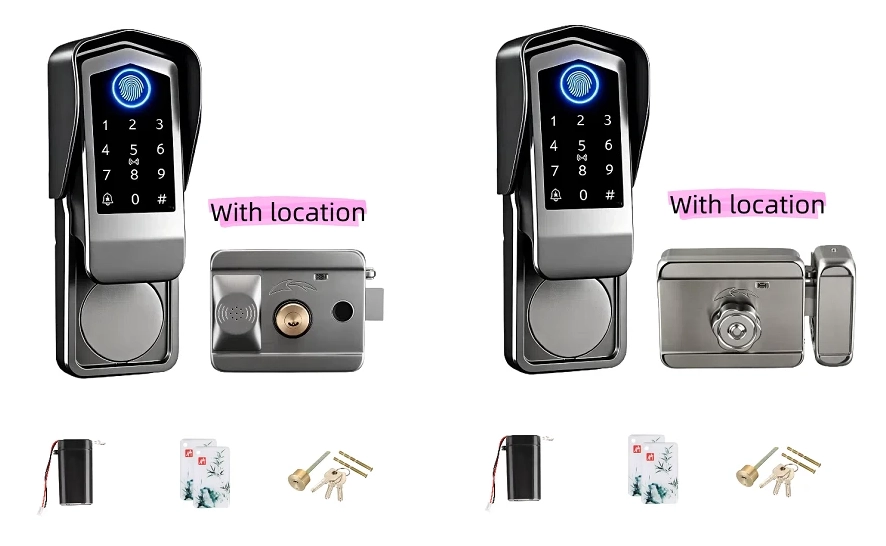
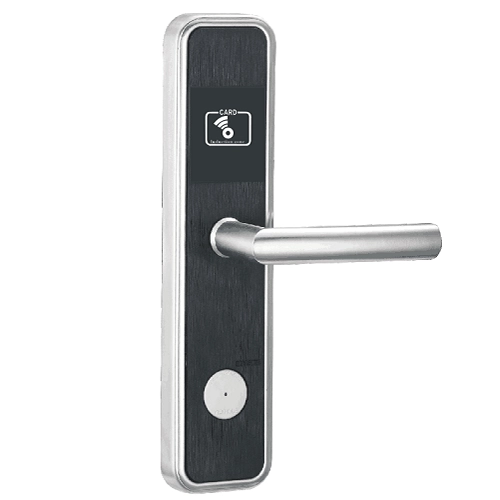
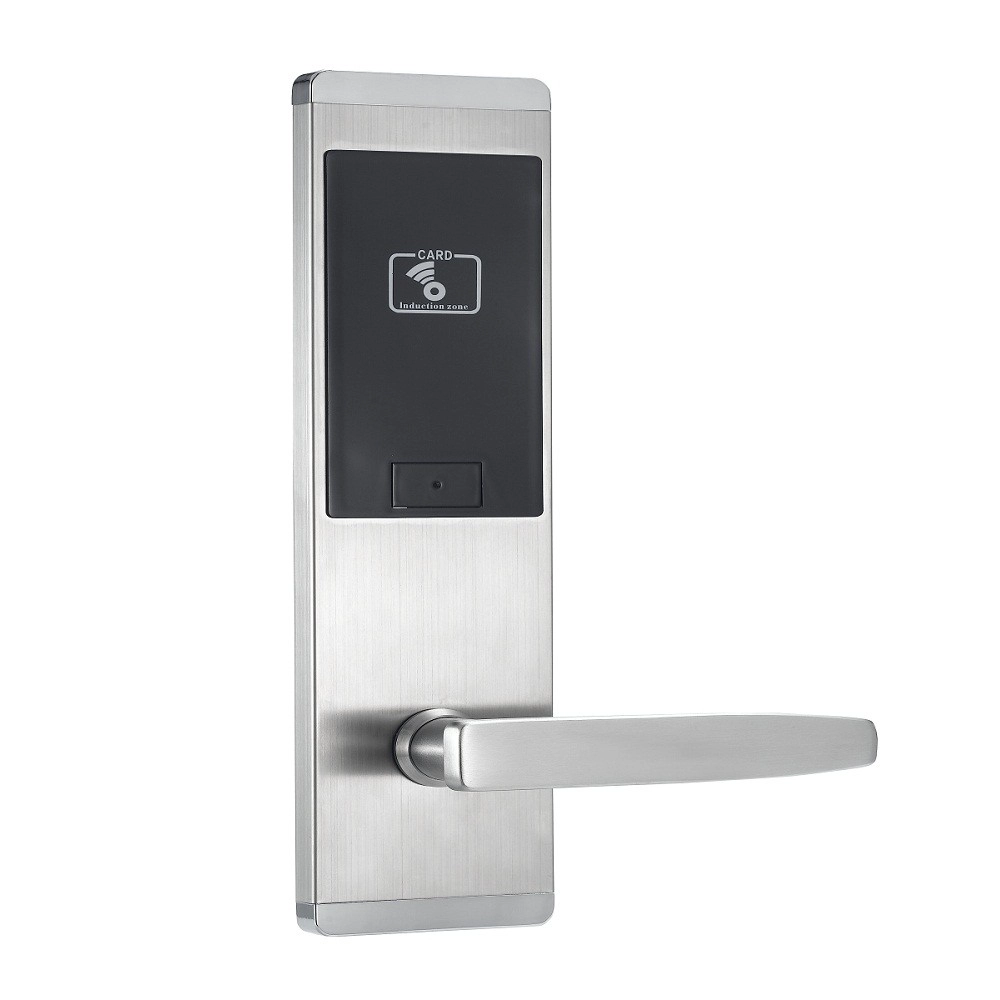
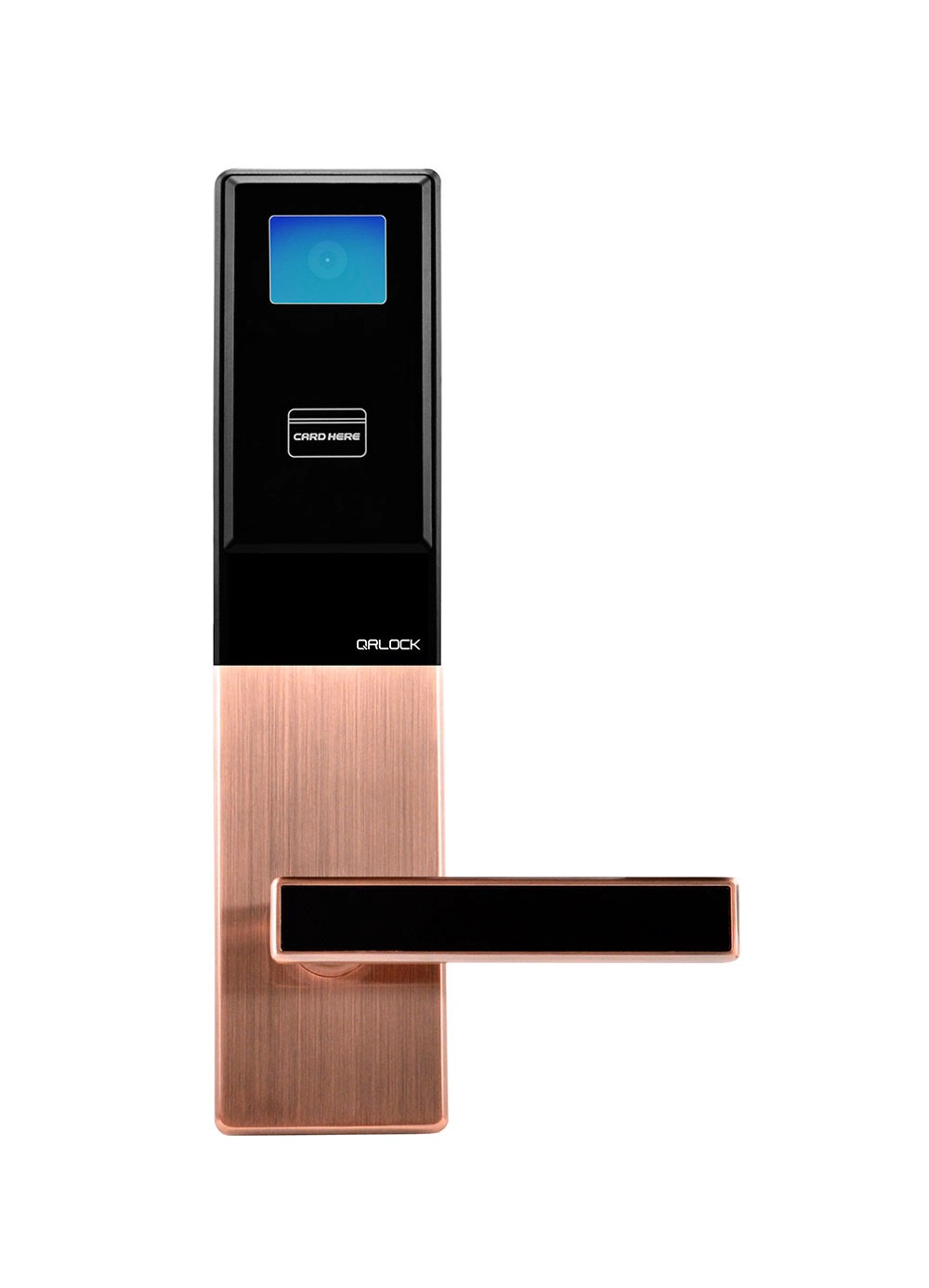
Behind both standalone smart locks and integrated systems lies a sophisticated manufacturing ecosystem. A Chinese smart lock factory serves as a hub for precision engineering, electronics assembly, and firmware development. These factories produce everything from basic keypad deadbolts to advanced Bluetooth/QR models, all while maintaining quality standards such as ANSI/BHMA grades and CE certification. Their vertical integration allows for rapid prototyping and customization, enabling commercial access control suppliers to offer tailored solutions for specific client needs.
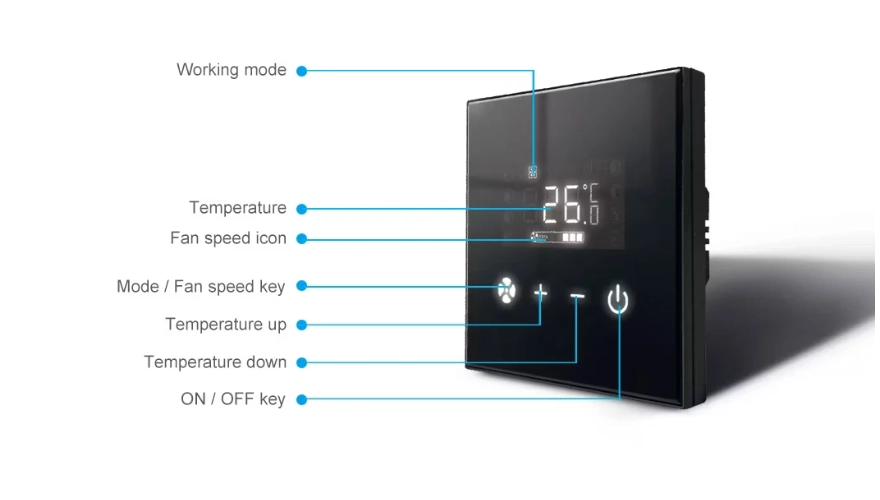
Companies like Ningbo Loyal Mechatronics Co., Ltd., with their expertise in electronic control systems, contribute to this supply chain by manufacturing reliable lock hardware and access components. Their work ensures that whether a project requires a simple Bluetooth lock for a co‑working space or a full commercial system for a corporate headquarters, the underlying hardware is durable, secure, and interoperable.
Looking ahead, the convergence of these technologies will deepen. Future access systems may use Bluetooth for persistent users, QR codes for temporary visitors, and cloud‑based management for real‑time permission updates—all within a single lock platform. As the lines between residential, commercial, and shared spaces continue to blur, the ability of Chinese smart lock factories and commercial access suppliers to deliver flexible, integrated solutions will remain critical to meeting the diverse needs of a connected world.


