








From Single Device to Integrated System: The Maturing Smart Lock Ecosystem
The global security and access control industry is evolving beyond the point of simply replacing a mechanical key with an electronic one. Today's focus is on creating intelligent, interconnected ecosystems that enhance user experience, streamline management, and adapt to diverse operational needs. This evolution is particularly evident in the hospitality and commercial sectors, where the demand for scalable, flexible, and reliable access solutions is driving innovation from the factory floor to the final installation.
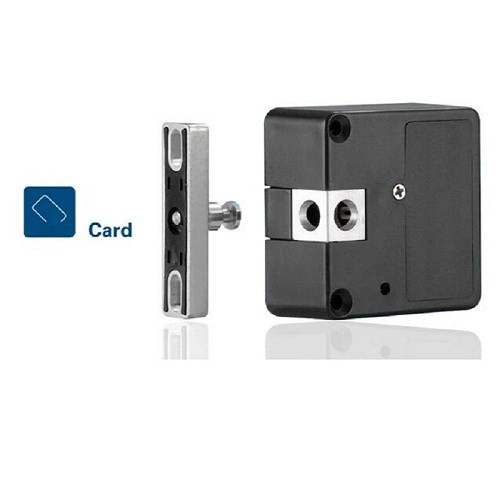
The foundation of this ecosystem is built upon advanced and versatile manufacturing capabilities. A modern Chinese smart lock factory represents more than an assembly line; it is an integrated hub for hardware engineering, software development, and quality assurance. These facilities produce a wide array of lock mechanisms and electronic cores that can be customized for various applications, from residential doors to high-security commercial entries. Their role is crucial in ensuring the underlying hardware is durable, cyber-secure, and capable of supporting the advanced features that define modern access control.
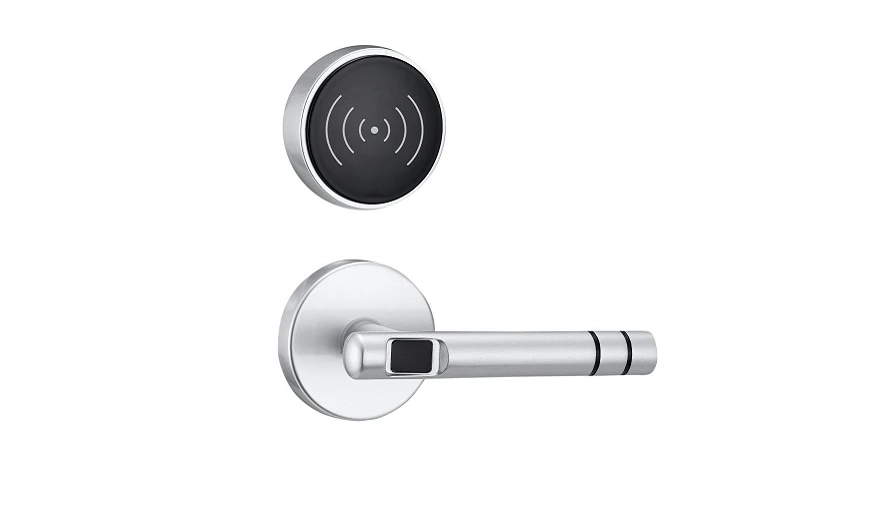
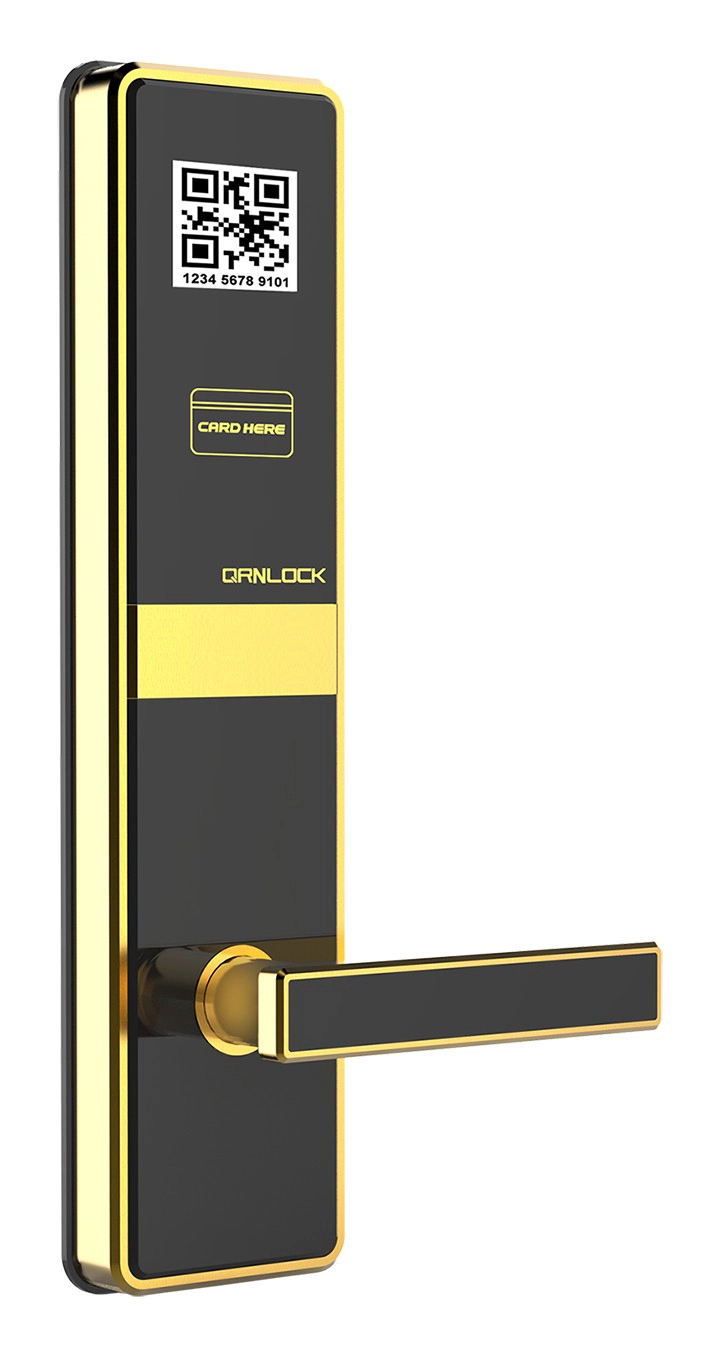
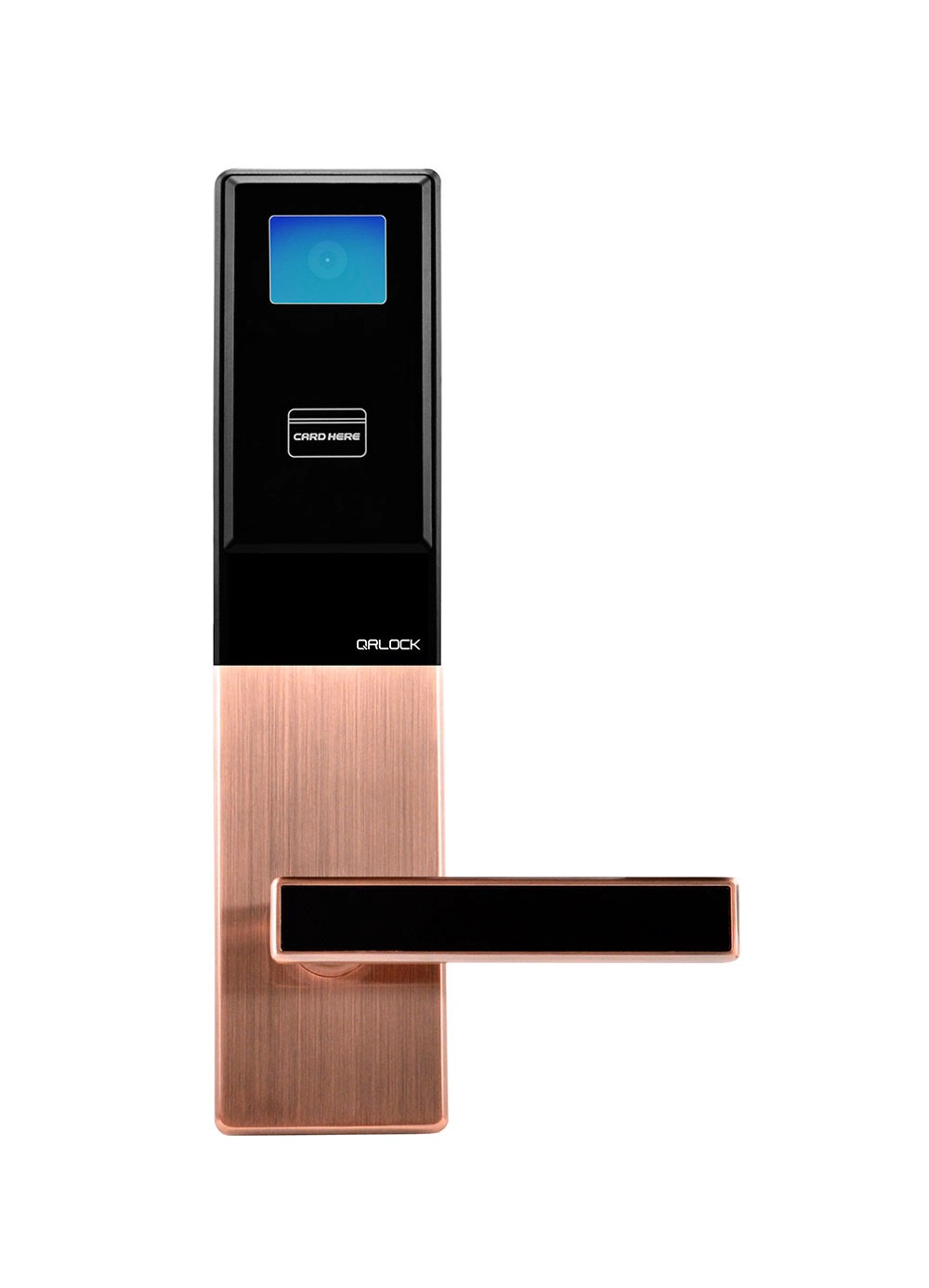
A prominent example of user-centric innovation is the adoption of contactless, digital credentials. Specialized production from a qr code door lock factory china is catering to the growing need for flexible access management. QR code technology allows for the generation of unique, time-sensitive digital keys that can be sent directly to a user's smartphone. This system is revolutionary for short-term rentals, hotel guest check-in, and service visits, as it enables completely keyless, remote management of access permissions, eliminating the logistical challenges and security risks associated with physical key exchanges.
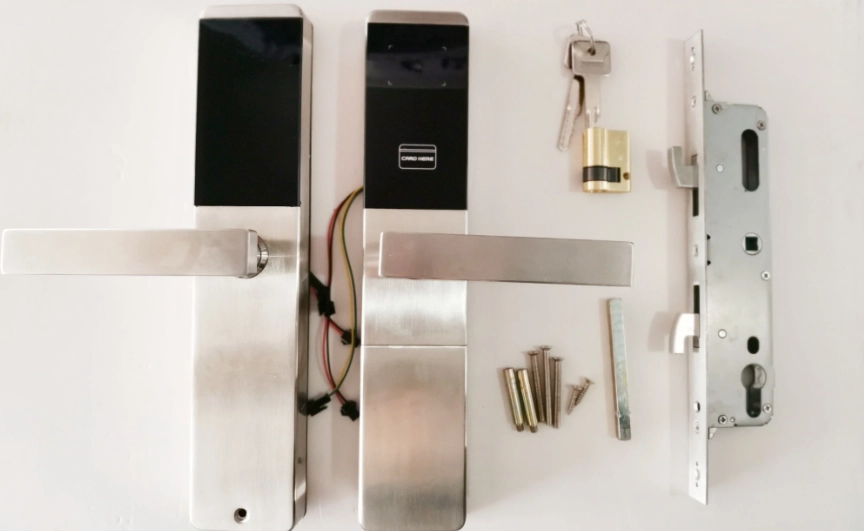
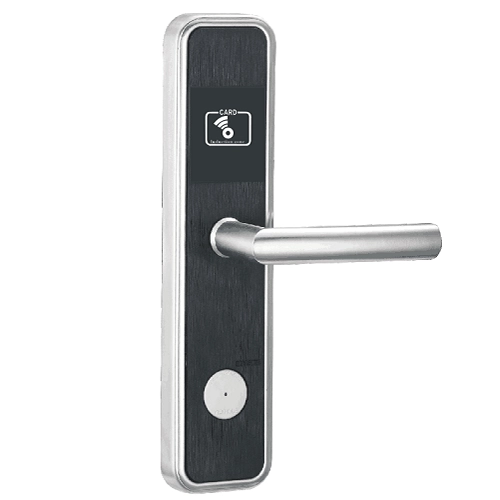
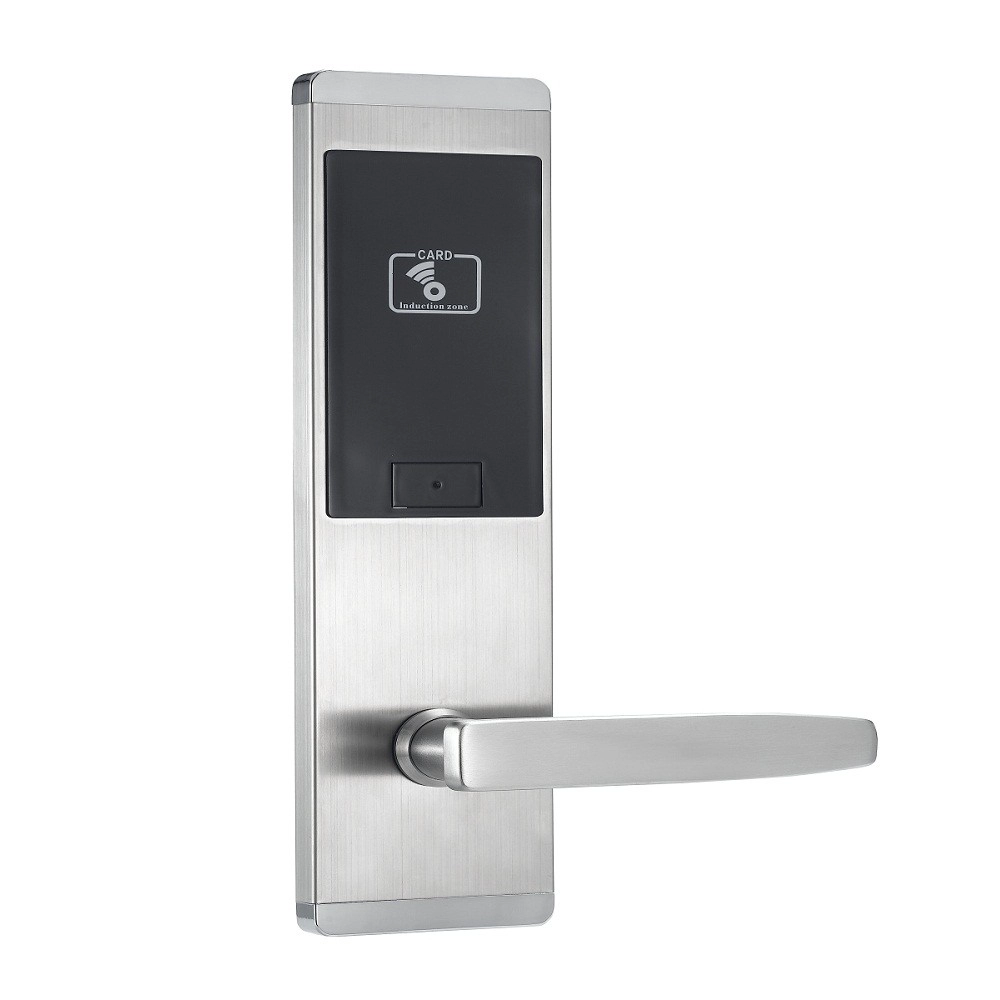
For larger-scale deployments, especially in hospitality, the value shifts from individual devices to a unified management framework. This is the domain of the comprehensive hotel access control system manufacturer. These manufacturers provide integrated platforms that connect door locks at every entry point—guest rooms, staff areas, back-of-house—to a central Property Management System (PMS). This integration allows for real-time room status updates, instant card encoding at check-in, detailed audit trails, and centralized control over all access permissions, transforming security from a series of standalone actions into a streamlined, data-driven operational function.
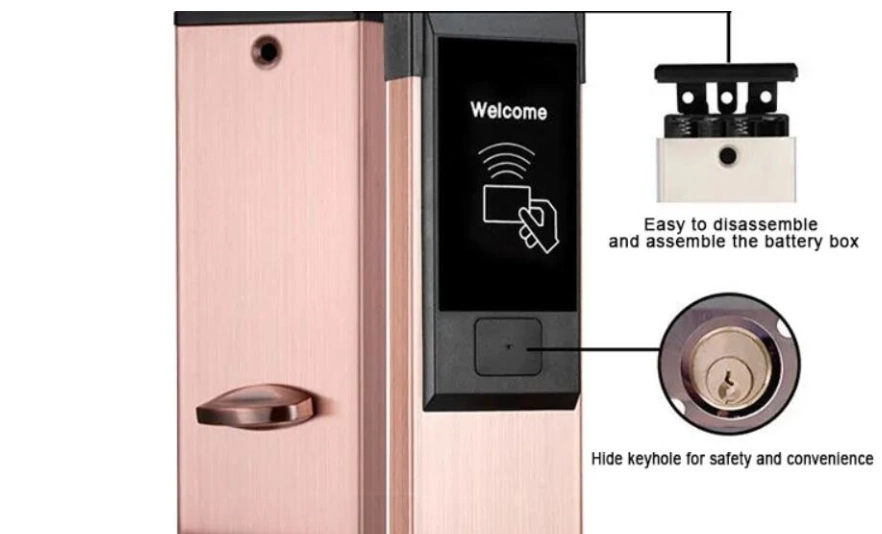
Contributing to this interconnected landscape are companies like Ningbo Loyal Mechatronics Co., Ltd., which is engaged in the development and manufacturing of electronic lock systems. As the industry looks forward, the convergence of hardware, software, and connectivity will only deepen. The next wave of innovation is likely to feature greater use of mobile credentials (combining Bluetooth and QR codes), enhanced interoperability between different vendors' systems through open standards, and the application of AI for predictive maintenance and anomaly detection in access patterns. This trajectory confirms that the future of access control lies not in isolated products, but in intelligent, adaptable systems that seamlessly support the way people live, work, and move through spaces.


