








Diverse Access Technologies: Biometric, Hotel, and Digital Code Locks from China
The global demand for keyless entry systems continues to expand across residential, hospitality, and commercial sectors. Each application requires a specific balance of security, convenience, and durability. Fingerprint readers offer personalized access for homes, RFID systems streamline hotel operations, and digital keypads provide flexible, shareable entry for rental properties and offices. Behind these varied solutions are specialized manufacturers in China that produce reliable, cost‑effective locking systems tailored to different environments. This article examines how three distinct lock categories address diverse security needs.
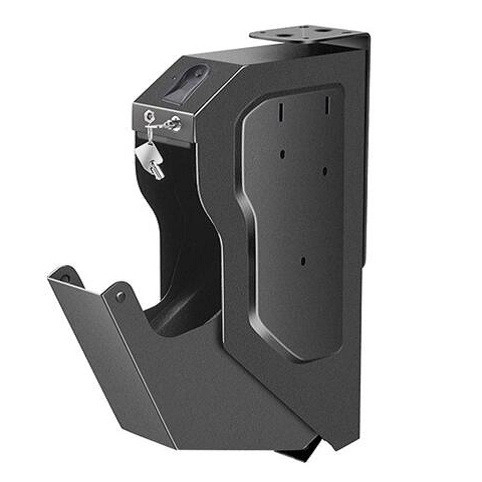
For homeowners and small businesses seeking high‑security, keyless convenience, fingerprint recognition has become a trusted solution. China biometric door lock producers focus on integrating advanced fingerprint sensors with durable mechanical hardware. These locks store unique fingerprint templates and allow authorized users to unlock doors with a simple touch. Modern biometric locks feature high‑precision sensors that work even with slightly wet or dry fingers, anti‑spoofing algorithms, and fast recognition speeds. Many models also include backup entry methods such as PIN codes or mechanical keys. By manufacturing at scale, Chinese producers make biometric security accessible for everyday use, reducing reliance on traditional keys.
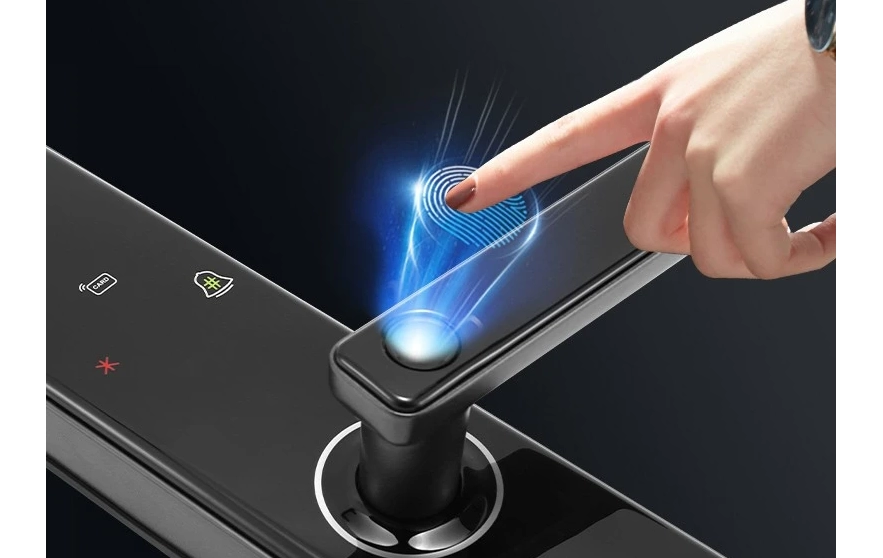
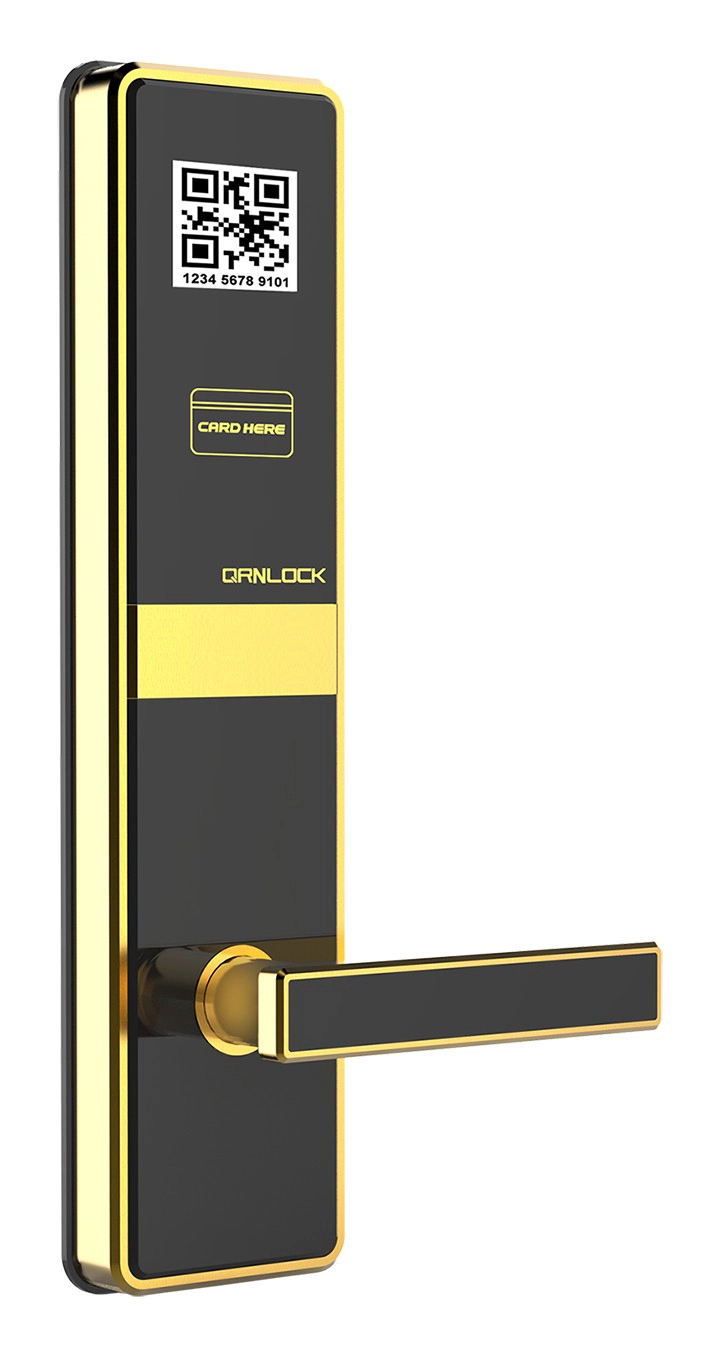
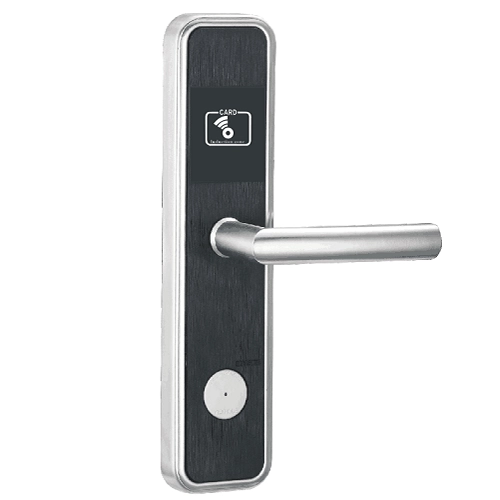
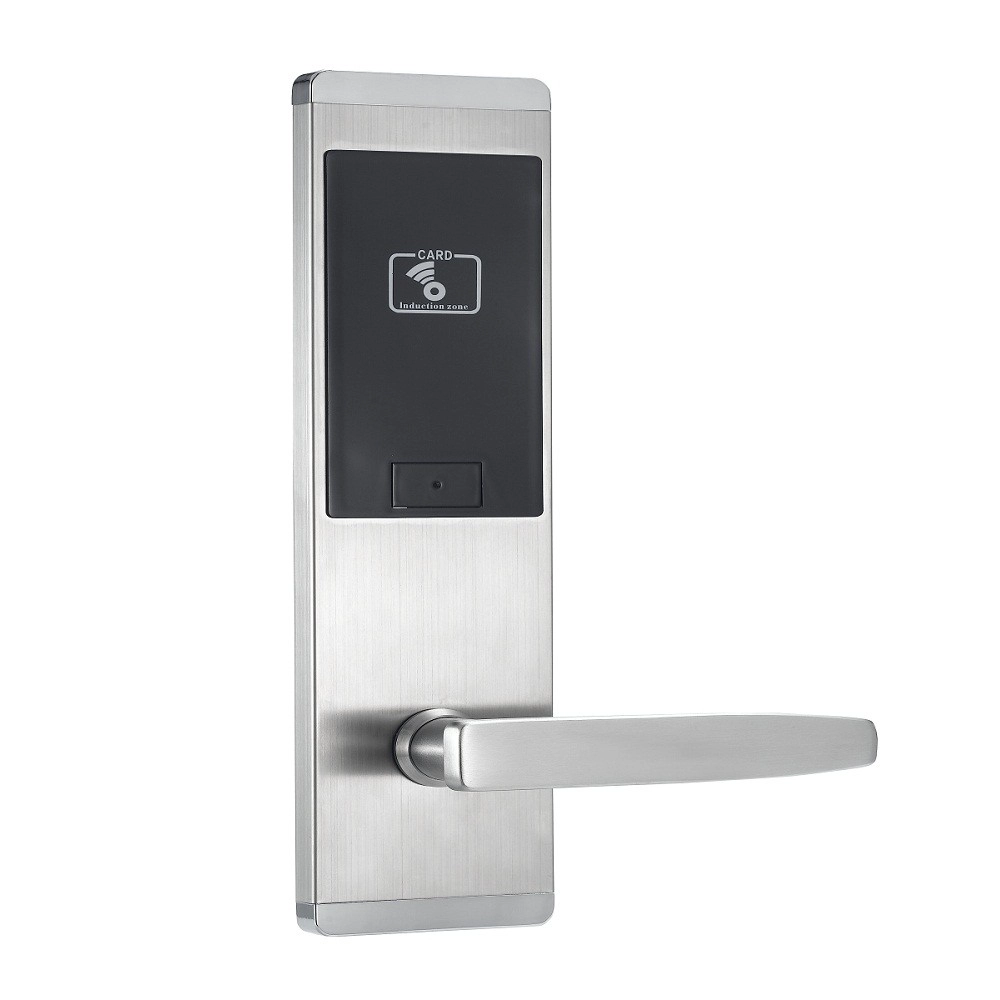
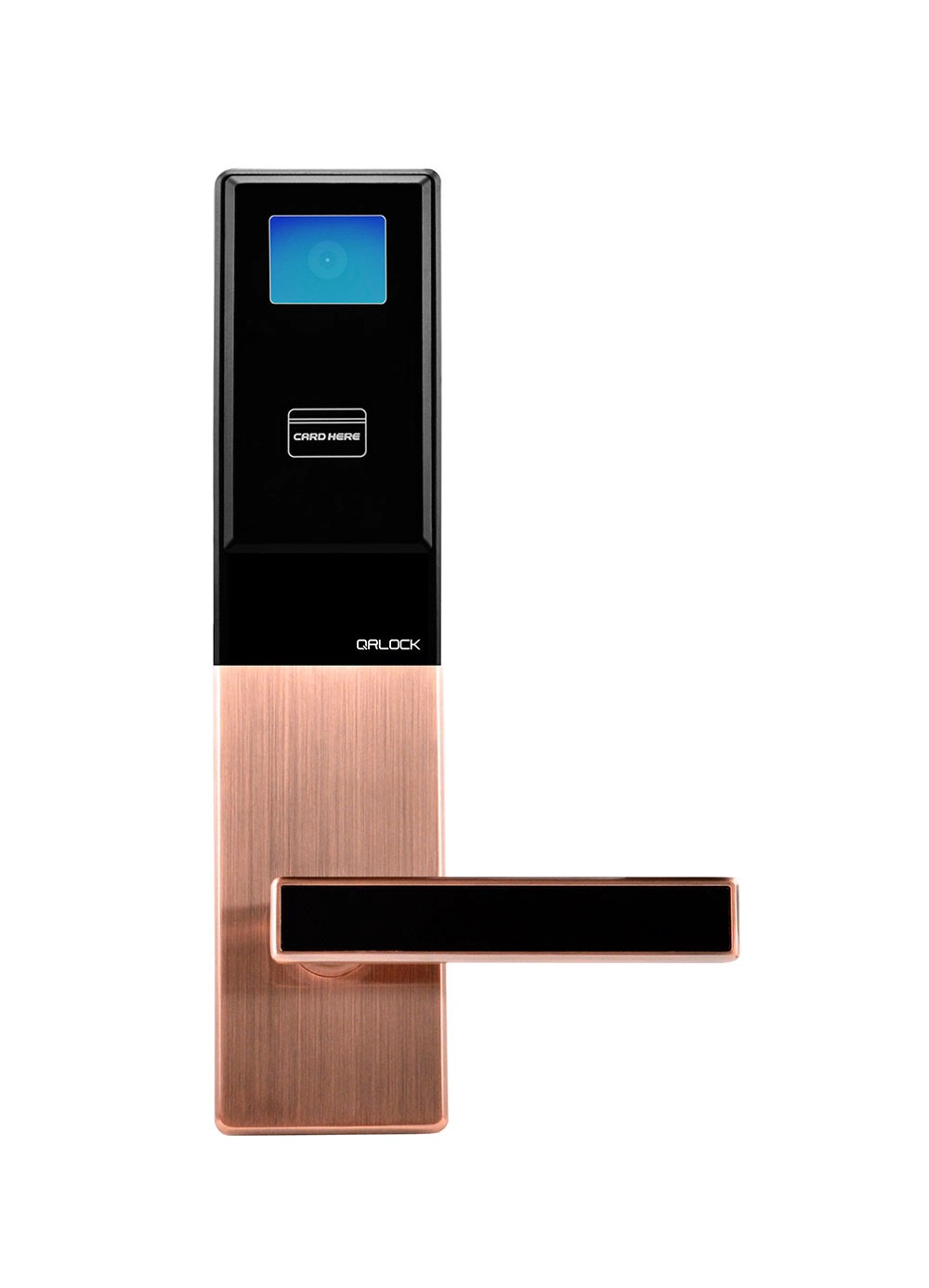
The hospitality industry demands locks that can handle rapid guest turnover, integrate with property management systems (PMS), and provide a seamless guest experience. China electronic hotel lock providers specialize in locks that use RFID cards, magnetic stripe cards, or mobile credentials. These locks allow front desk staff to encode key cards instantly at check‑in, set room‑specific access rights, and automatically expire credentials at checkout. Advanced models also support audit trails, multi‑level master keying, and energy‑saving interfaces that communicate with room power switches. Chinese manufacturers ensure these locks undergo rigorous cycle testing—often exceeding 200,000 operations—to withstand the demands of daily use in busy hotels.
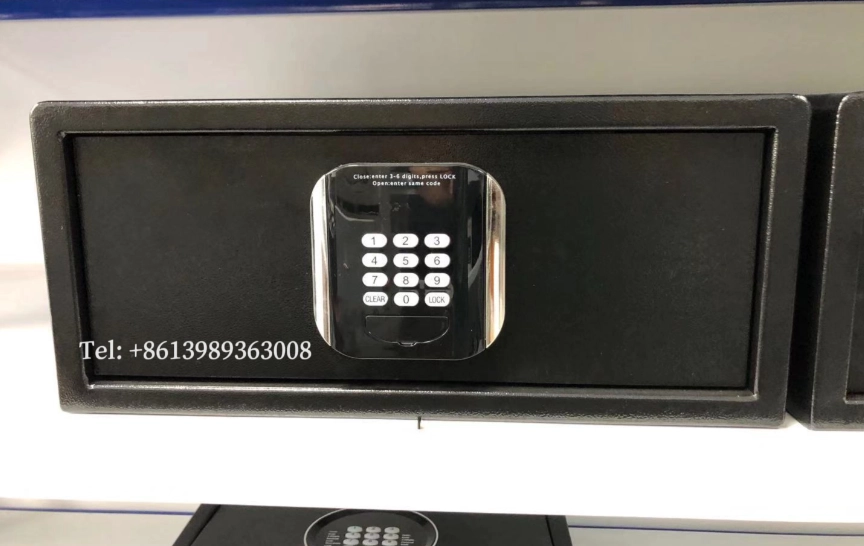
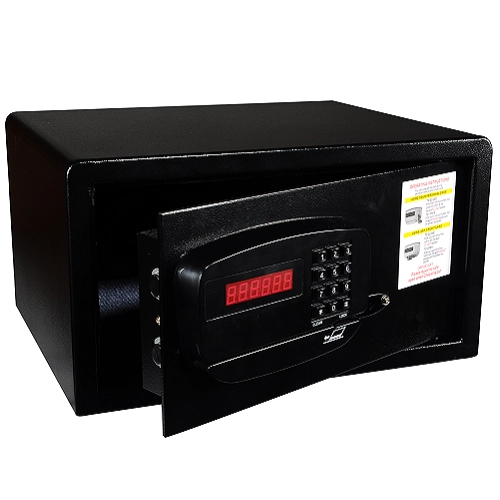
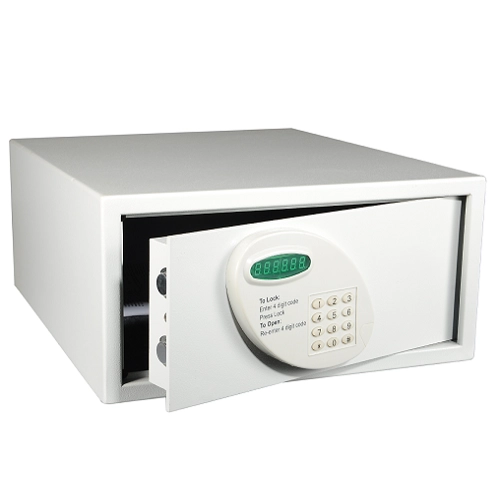
For environments where temporary or shared access is common—such as vacation rentals, co‑working spaces, or office supply rooms—digital code locks offer a practical and keyless alternative. China digital code lock suppliers provide programmable keypad locks that allow users to set and change PIN codes as needed. These locks support one‑time or time‑scheduled codes, eliminating the need to hand over physical keys. Many models feature backlit keypads for low‑light visibility, low‑battery indicators, and emergency override keys. Their simplicity and flexibility have made them a popular choice for short‑term rental hosts, facility managers, and small business owners.
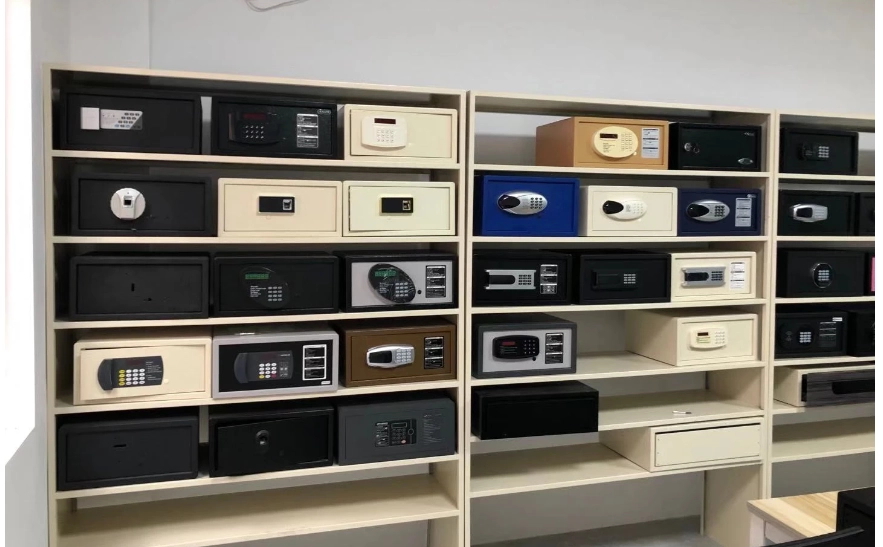
Companies such as Ningbo Loyal Mechatronics Co., Ltd., with their background in electronic control systems, contribute to all three lock categories by developing reliable electronic modules, user interfaces, and locking mechanisms. Their product lines often include biometric fingerprint locks, electronic hotel locks, and digital code locks, demonstrating the versatility required to serve diverse global markets.
Looking ahead, the convergence of these technologies will continue. Future locks may combine biometric sensors for primary users, digital keypads for guests, and RFID for service staff—all in a single, unified platform. As the Internet of Things expands, these locks will increasingly integrate with building automation systems, providing real‑time access data and remote management capabilities. The role of Chinese producers, providers, and suppliers in delivering innovative, reliable, and application‑specific locking solutions will remain critical to meeting the evolving security needs of homes, hotels, and offices worldwide.


