








Versatile Access: How Bluetooth, QR Codes, and Integrated Systems Are Shaping Modern Security
The evolution of access control is defined by flexibility. As the lines between residential, commercial, and shared spaces continue to blur, the demand for locks that can adapt to multiple scenarios has grown significantly. Modern smart locks are no longer single-purpose devices; they are versatile platforms capable of supporting diverse access methods—from Bluetooth and QR codes to centralized management systems—ensuring that users can choose the credential that best suits their needs in any given moment.
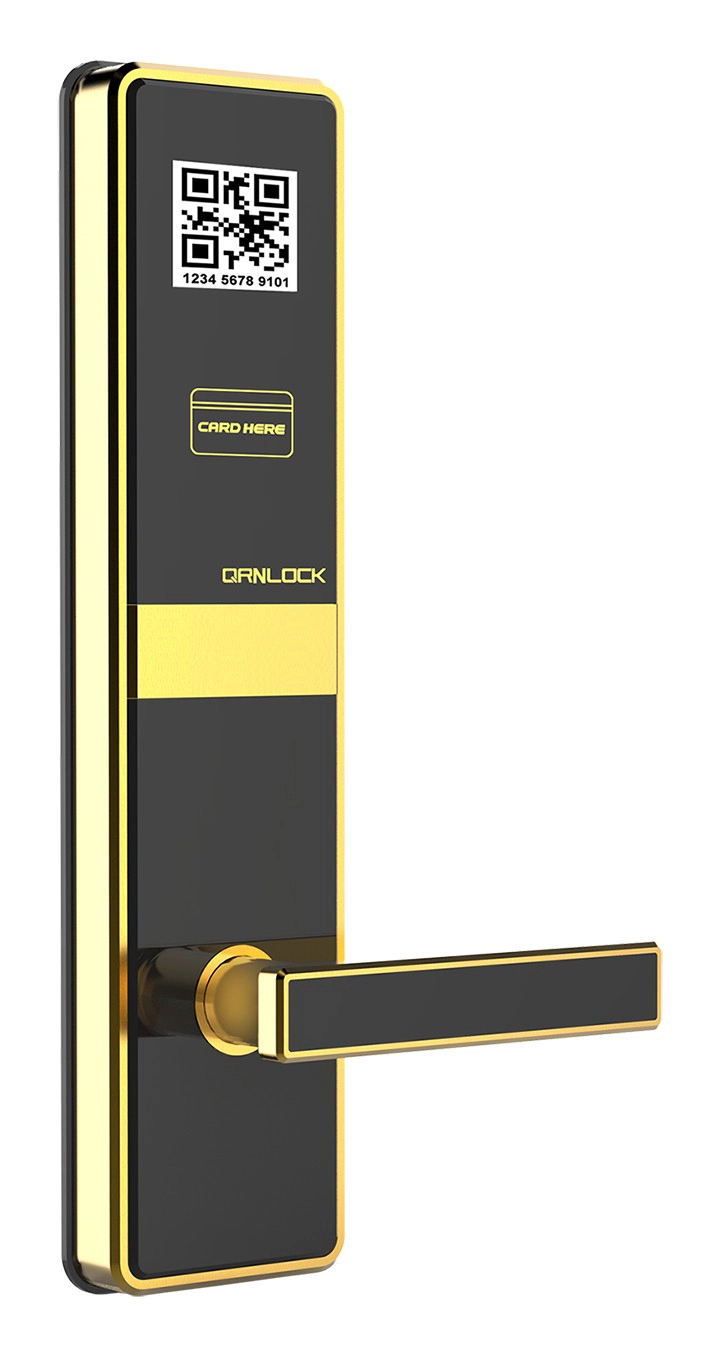
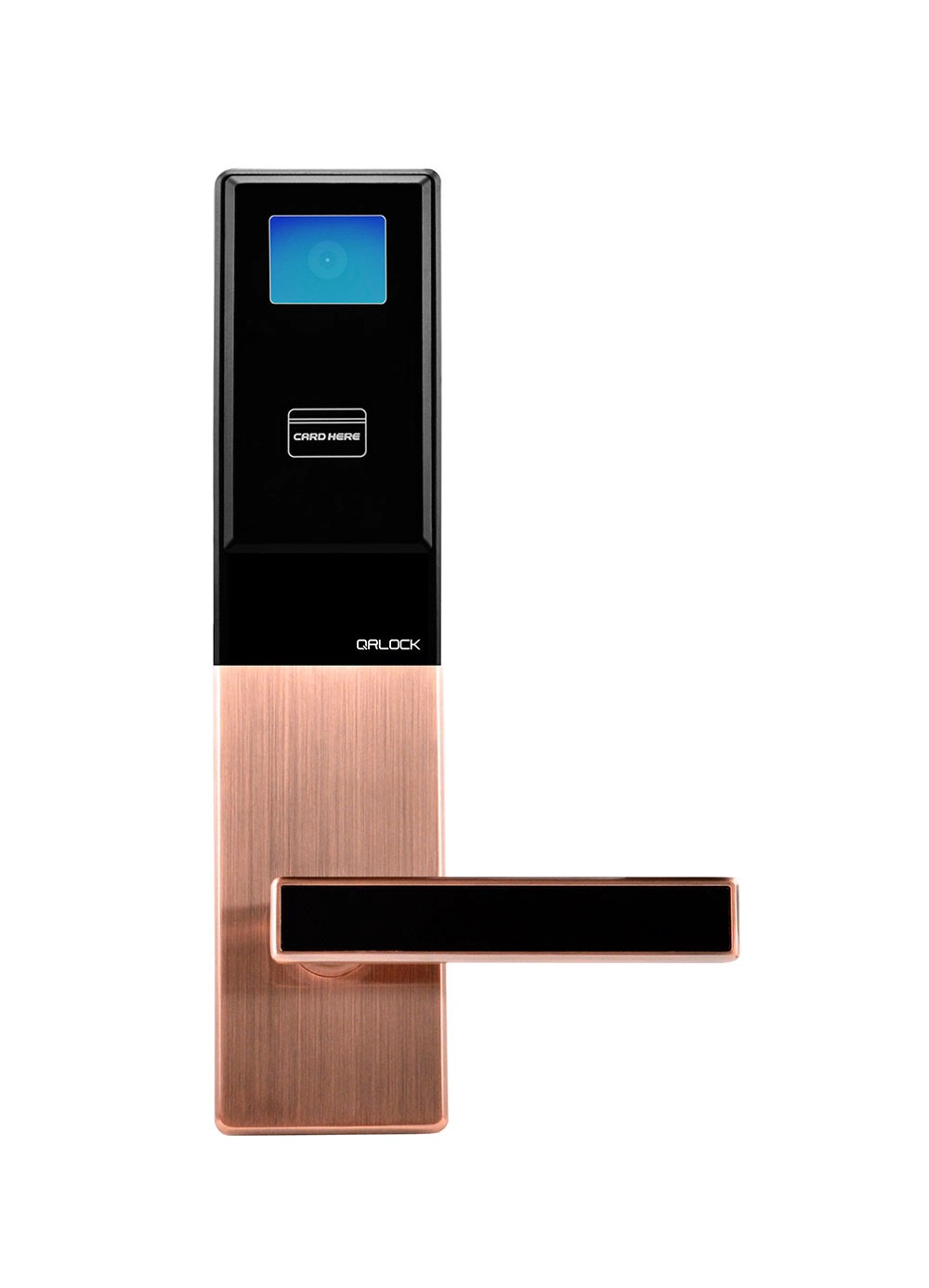
At the heart of this versatility is specialized manufacturing focused on multi-technology integration. A china bluetooth qr code door lock factory represents the convergence of wireless connectivity and digital credential innovation. These facilities produce locks that allow users to unlock doors via smartphone apps using Bluetooth for seamless, hands-free access, or through time-sensitive QR codes that can be generated and shared remotely. This dual capability makes them ideal for environments with diverse user groups—such as co-working spaces, short-term rentals, or multi-family buildings—where different access methods suit different users and situations.
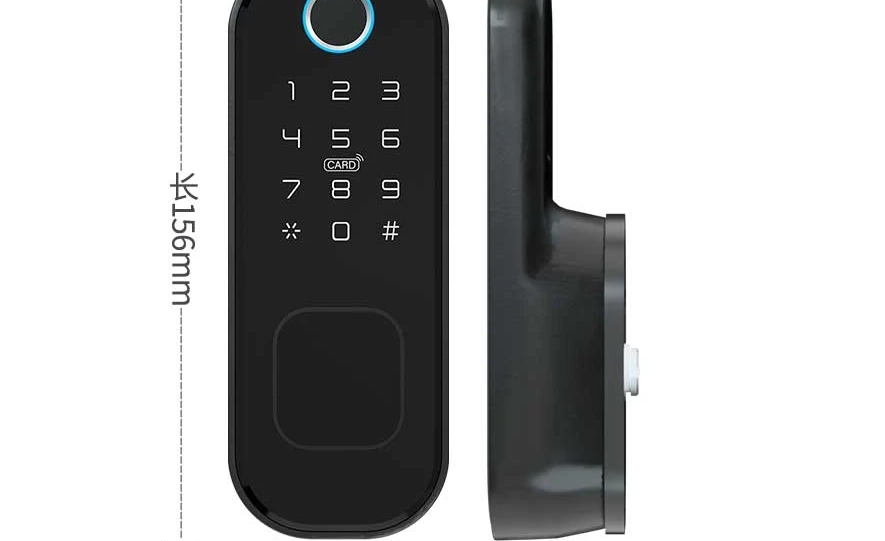
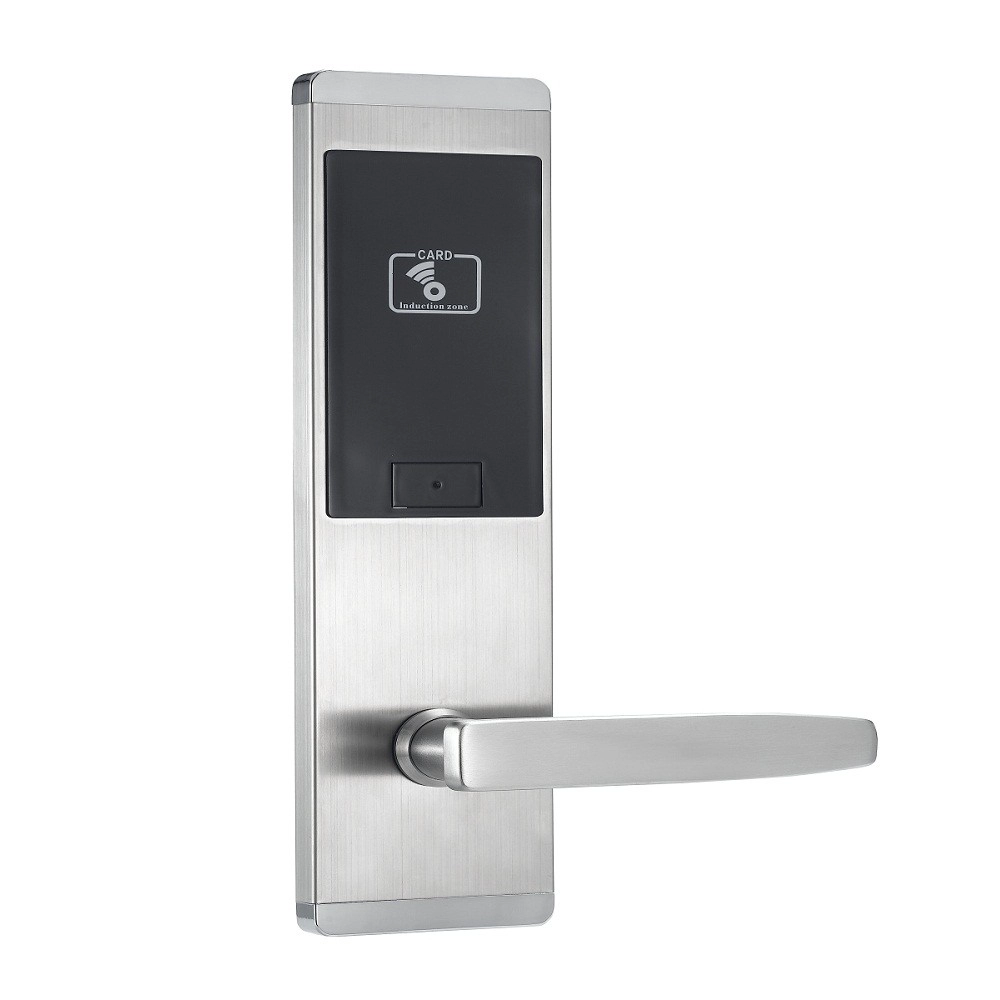
For larger facilities with complex security requirements, individual smart locks must function as part of a broader ecosystem. This is where the expertise of a commercial access control system supplier becomes essential. These suppliers provide the software and hardware infrastructure that unifies multiple entry points—from main entrances and internal doors to elevators and parking gates—into a single, manageable platform. They enable administrators to set granular permissions, monitor access events in real-time, generate detailed audit reports, and integrate access data with other building systems like HR software or visitor management tools.
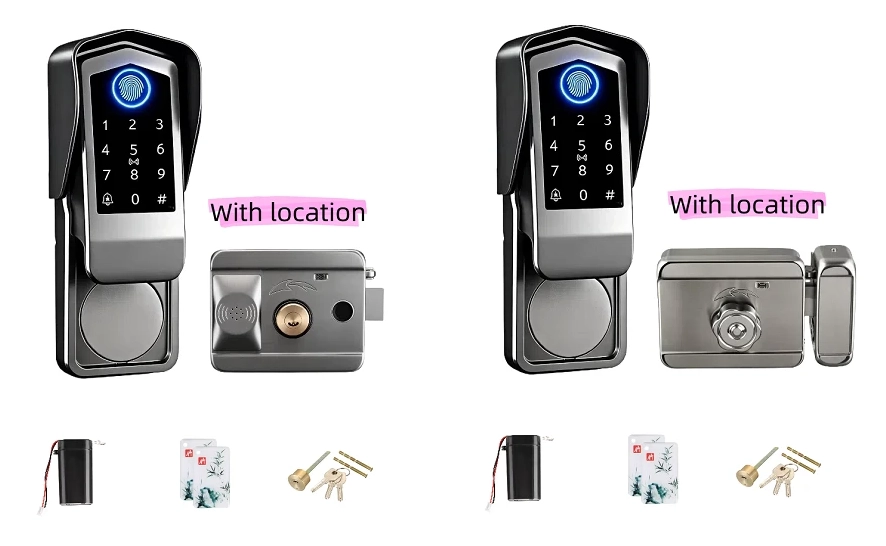
The reliability and innovation of these advanced systems are rooted in sophisticated manufacturing capabilities. A modern Chinese smart lock factory serves as an integrated hub for hardware engineering, firmware development, and quality assurance. These facilities produce the core components that ensure locks are durable, cyber-secure, and capable of supporting the advanced features that define contemporary access control. Their role in the global supply chain is fundamental to the widespread adoption of intelligent security solutions.
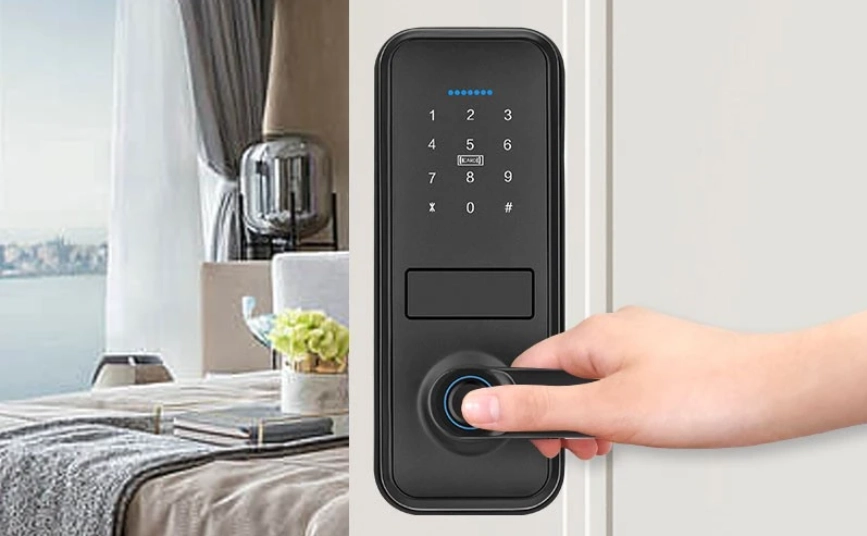
Companies with established expertise in electronic systems, such as Ningbo Loyal Mechatronics Co., Ltd., contribute to this ecosystem through their focus on reliable hardware and integrated control technologies. Their experience in developing electronic lock systems positions them well within this evolving landscape.
Looking ahead, the convergence of access methods into unified platforms will only accelerate. Future systems will offer even greater intelligence, using contextual awareness to suggest the optimal credential type—Bluetooth for regular users, QR codes for visitors, and centralized management for facility administrators. As the Internet of Things continues to expand, the smart lock will increasingly function as a connected node within larger building automation networks, further blurring the lines between physical security and digital intelligence.


