








Connected Security: The Evolution of Smart Lock Technology
The global security hardware industry is undergoing a significant transformation, driven by the demand for more intelligent, convenient, and integrated access solutions. This shift is moving beyond traditional physical keys towards systems that offer seamless control and enhanced user management. At the forefront of this evolution is the rise of connected lock technology, which is redefining security for residential, commercial, and hospitality applications by prioritizing user experience and centralized control.
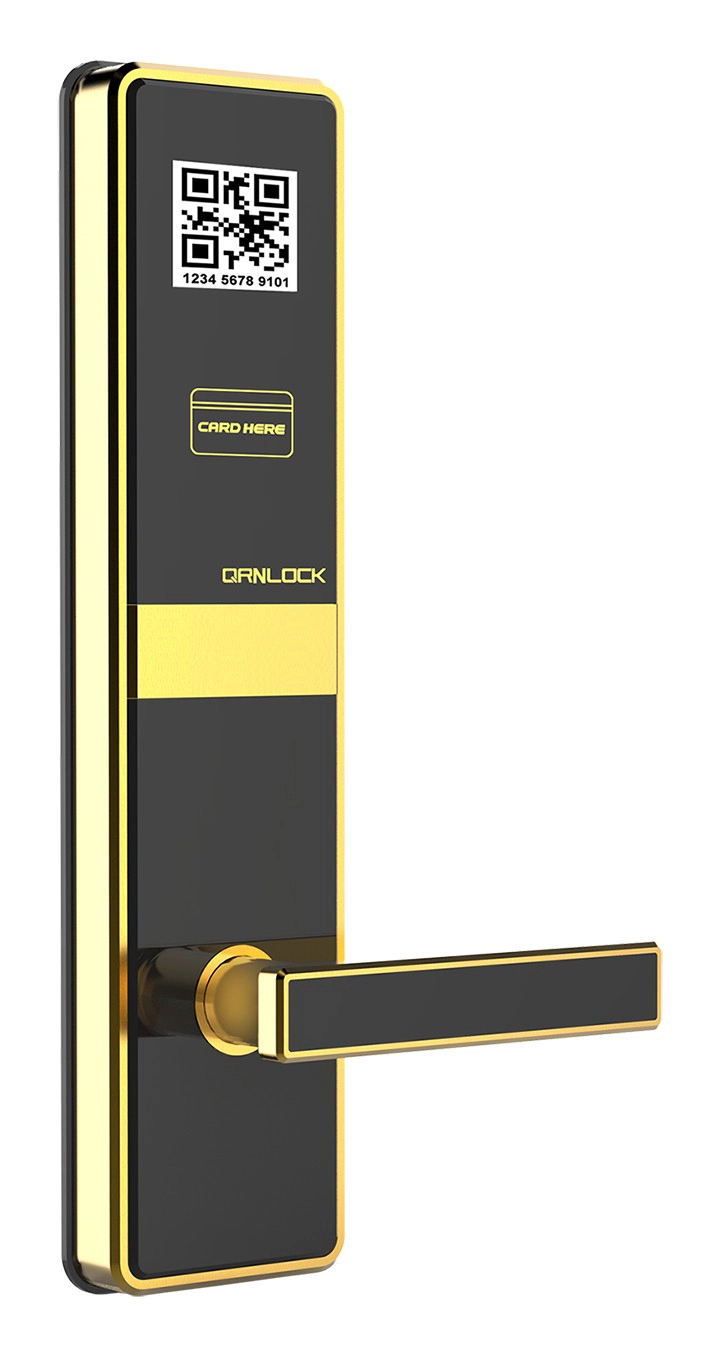
A key driver of this trend is the integration of remote management capabilities. Products like those developed by Smart lock with APP Wholesale China sources are becoming increasingly prevalent. These locks allow users to lock, unlock, and monitor access status directly from their smartphones. This functionality enables the creation of temporary virtual keys for guests or service personnel, provides real-time access logs, and can integrate with other smart home ecosystems, offering unparalleled convenience and administrative control for property owners and managers.
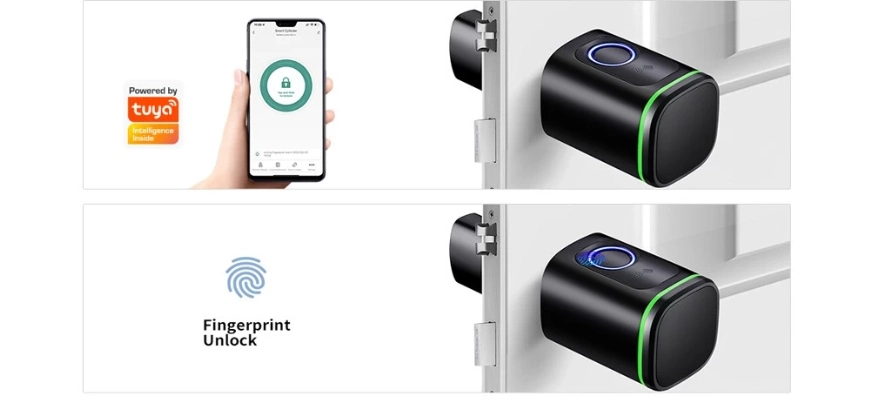
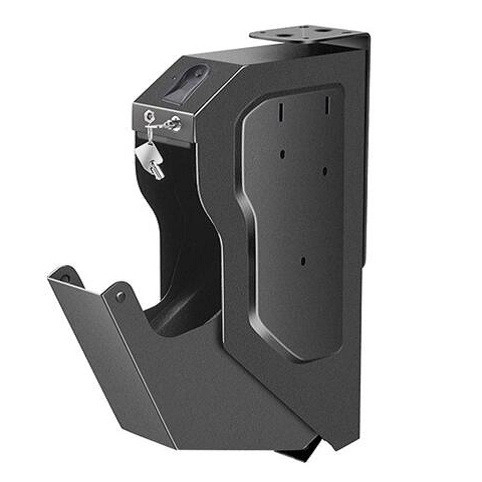
Parallel to connectivity, advancements in biometric and multi-factor authentication are enhancing security and reliability. The expertise of the China password fingerprint lock manufacturer sector is crucial here. These manufacturers produce locks that combine multiple access methods—such as fingerprint recognition, PIN codes, and often physical keys or RFID cards—into a single device. This layered approach ensures secure access even if one method is temporarily unavailable, offering a robust solution that caters to diverse user preferences and high-security requirements.
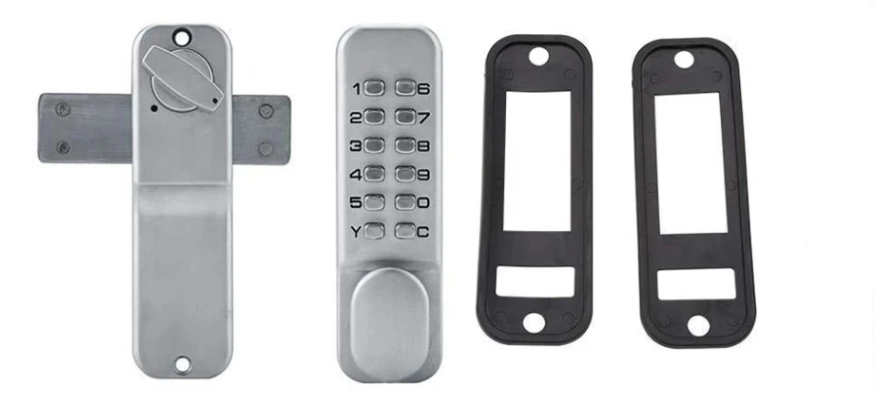
Supporting the global availability of these sophisticated products is a mature and responsive supply chain. As a leading Smart password lock supplier China, the industry demonstrates strong capabilities in volume production, quality consistency, and adapting to international market standards. Companies operating in this space, such as Ningbo Loyal Mechatronics Co., Ltd., contribute to this ecosystem through focused engineering and manufacturing. Their role involves not just assembly, but also the integration of electronic modules, security algorithms, and durable hardware to create reliable final products for worldwide distribution.
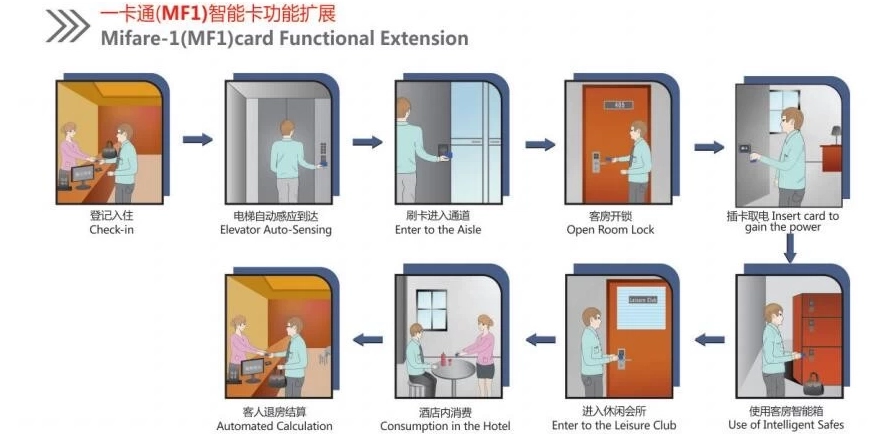
Looking ahead, the future of smart lock technology points towards even greater intelligence and ecosystem integration. Expectations include further development in areas like facial recognition, energy-harvesting mechanisms to extend battery life, and enhanced cybersecurity protocols to protect user data. As the industry continues to innovate, its focus remains on creating secure, user-friendly, and adaptable access solutions that meet the evolving needs of a connected world, solidifying its position as a central hub for modern security technology.


