








Biometric Access Evolution: 3D Facial Recognition and RFID Integration in Smart Locks
The global access control market is experiencing a significant shift toward contactless, biometric technologies. Among these, 3D facial recognition has emerged as a reliable and user-friendly method for securing residential, commercial, and hospitality spaces. Unlike traditional 2D systems, 3D depth-sensing technology maps facial contours with high precision, making it resistant to spoofing attempts using photographs or videos. This advancement is driving demand for specialized hardware and integrated solutions across multiple regions.
The role of a 3D facial recognition door lock supplier China is central to this evolution. These suppliers provide systems that combine advanced sensors, infrared illumination, and AI-powered algorithms to deliver fast and accurate recognition in various lighting conditions. The technology is increasingly adopted in hotels, offices, and high-end apartments where hands-free entry and enhanced security are priorities. Manufacturers focus on durability, encryption, and seamless integration with existing door hardware.
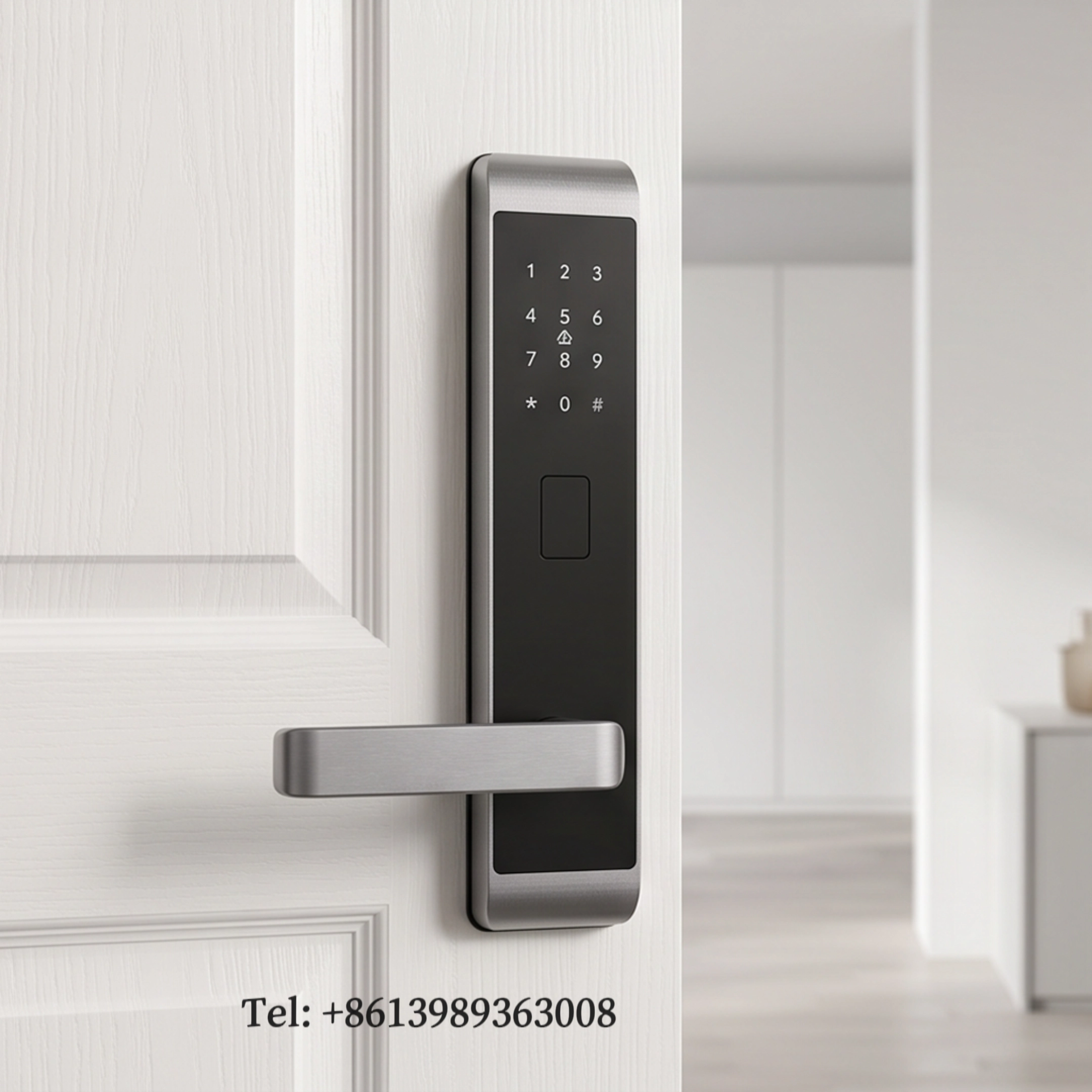
Scalability is another key factor in the adoption of facial recognition locks. Through 3D Face Recognition Lock Wholesale China channels, distributors and project developers can access consistent, high-quality units for large-scale deployments. This wholesale model supports the outfitting of apartment complexes, hotel chains, and commercial buildings with uniform access control. It also enables cost-effective upgrades for existing properties seeking to modernize their security infrastructure without replacing entire door systems.
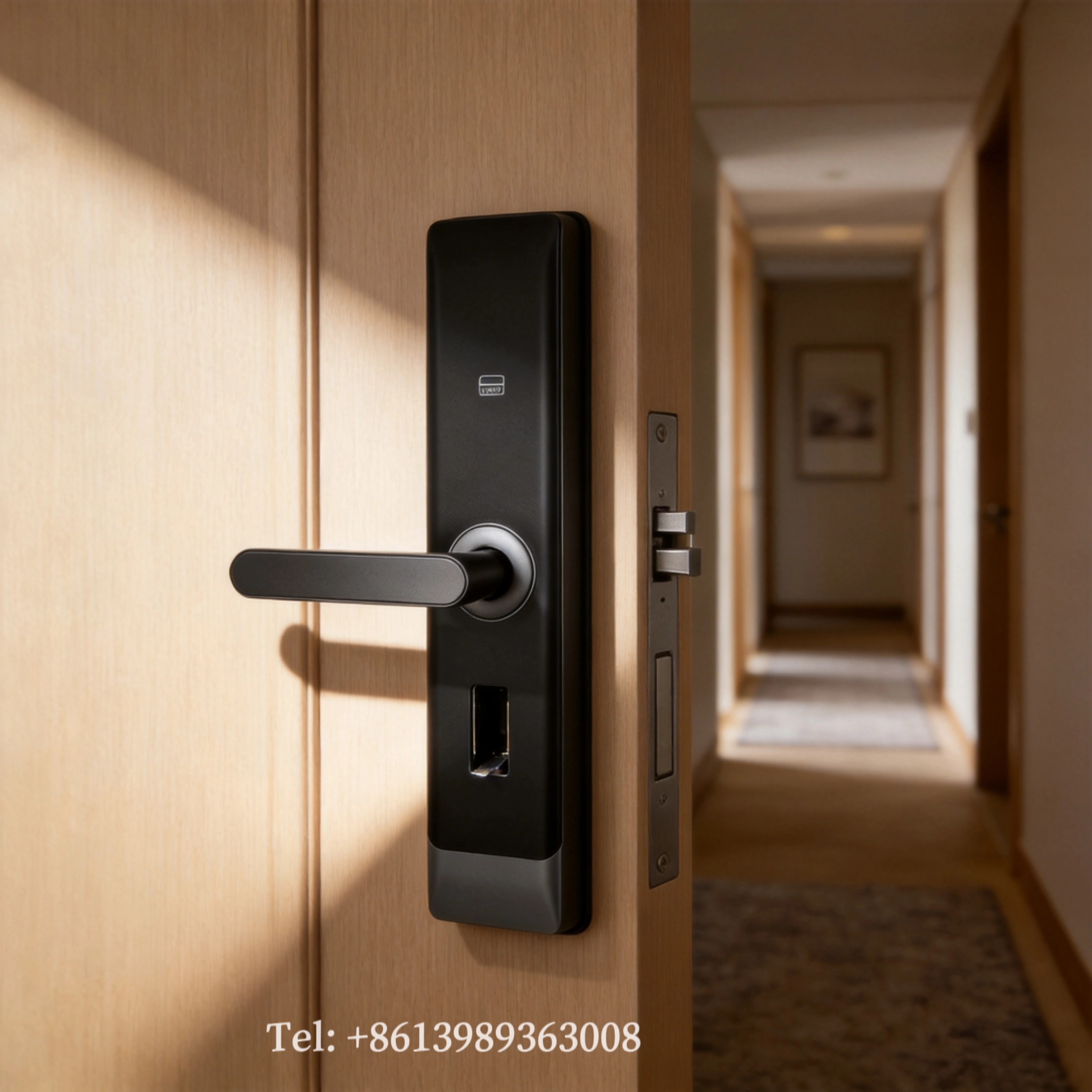
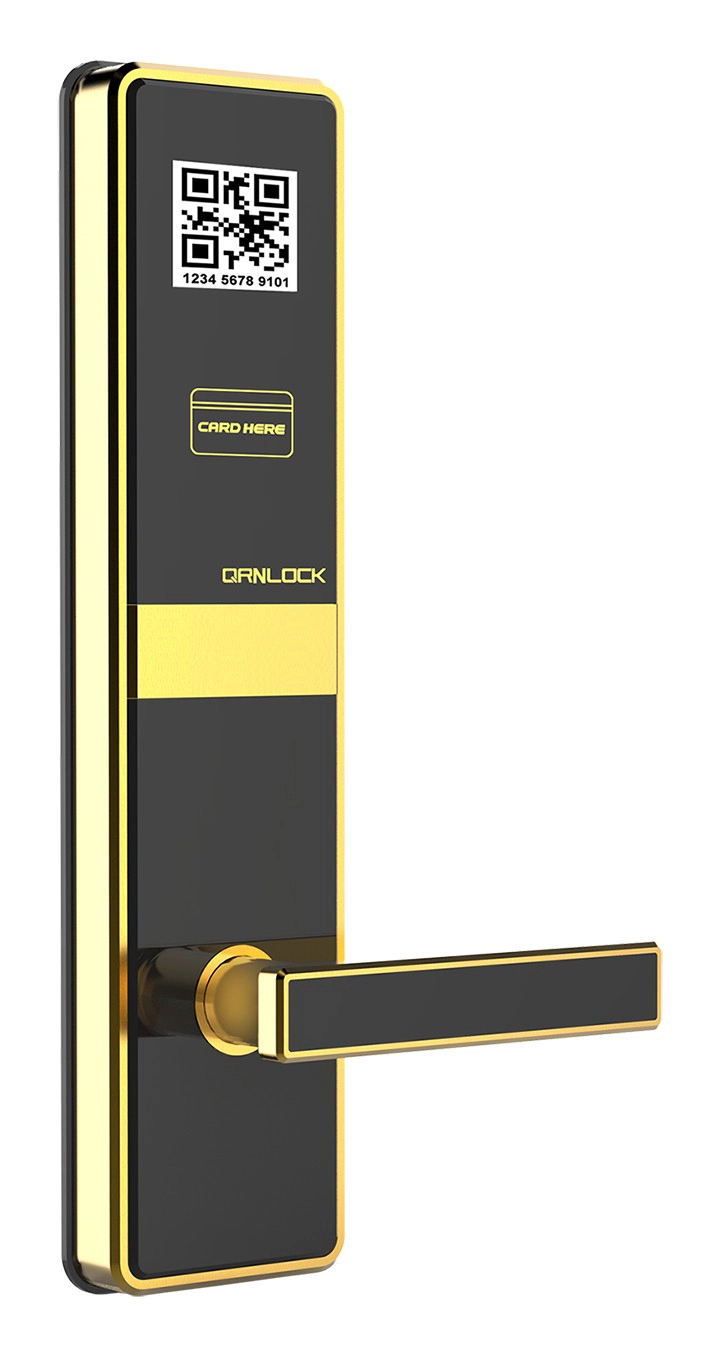
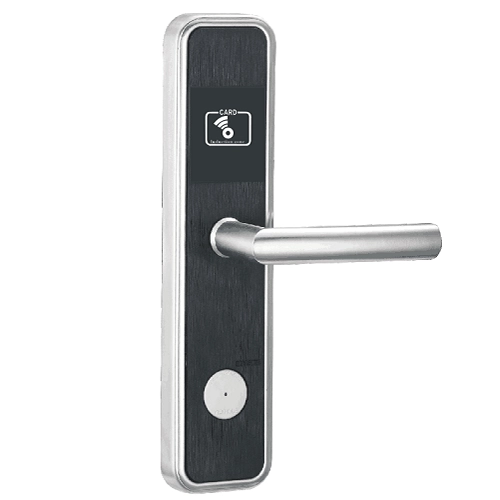
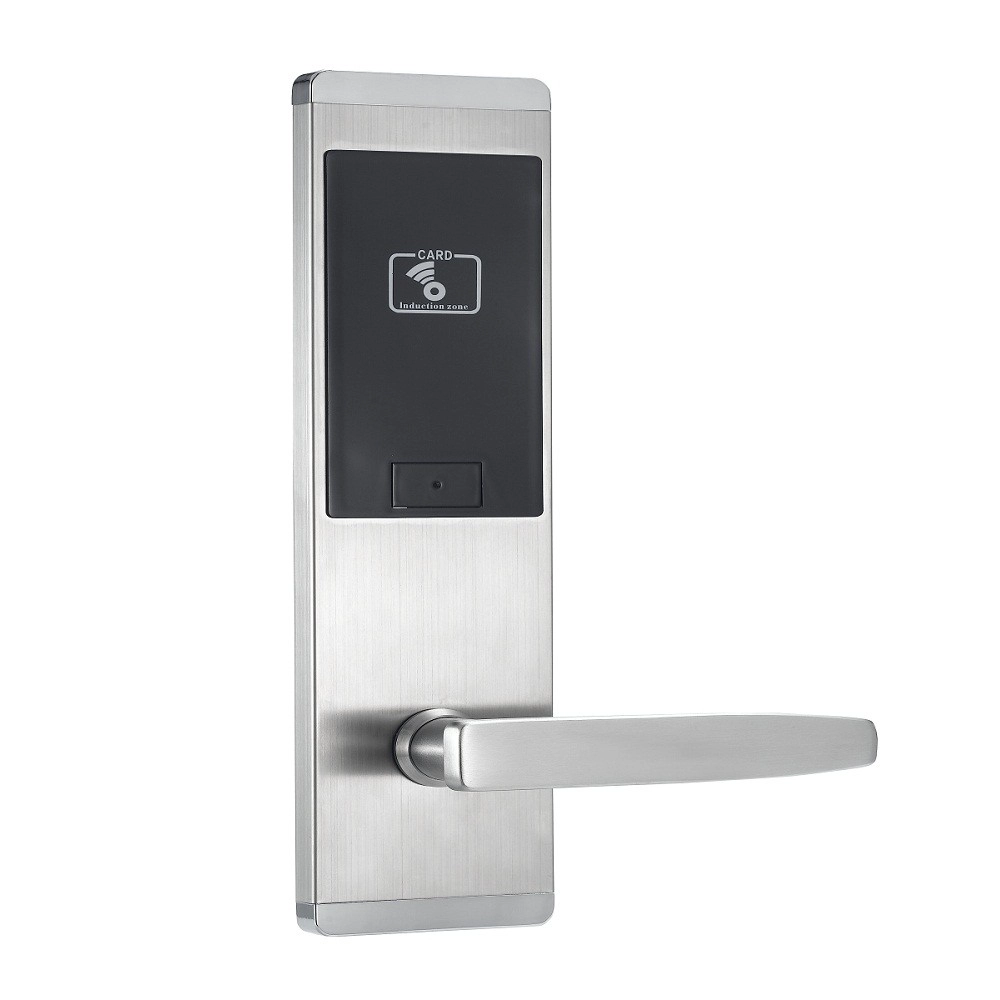
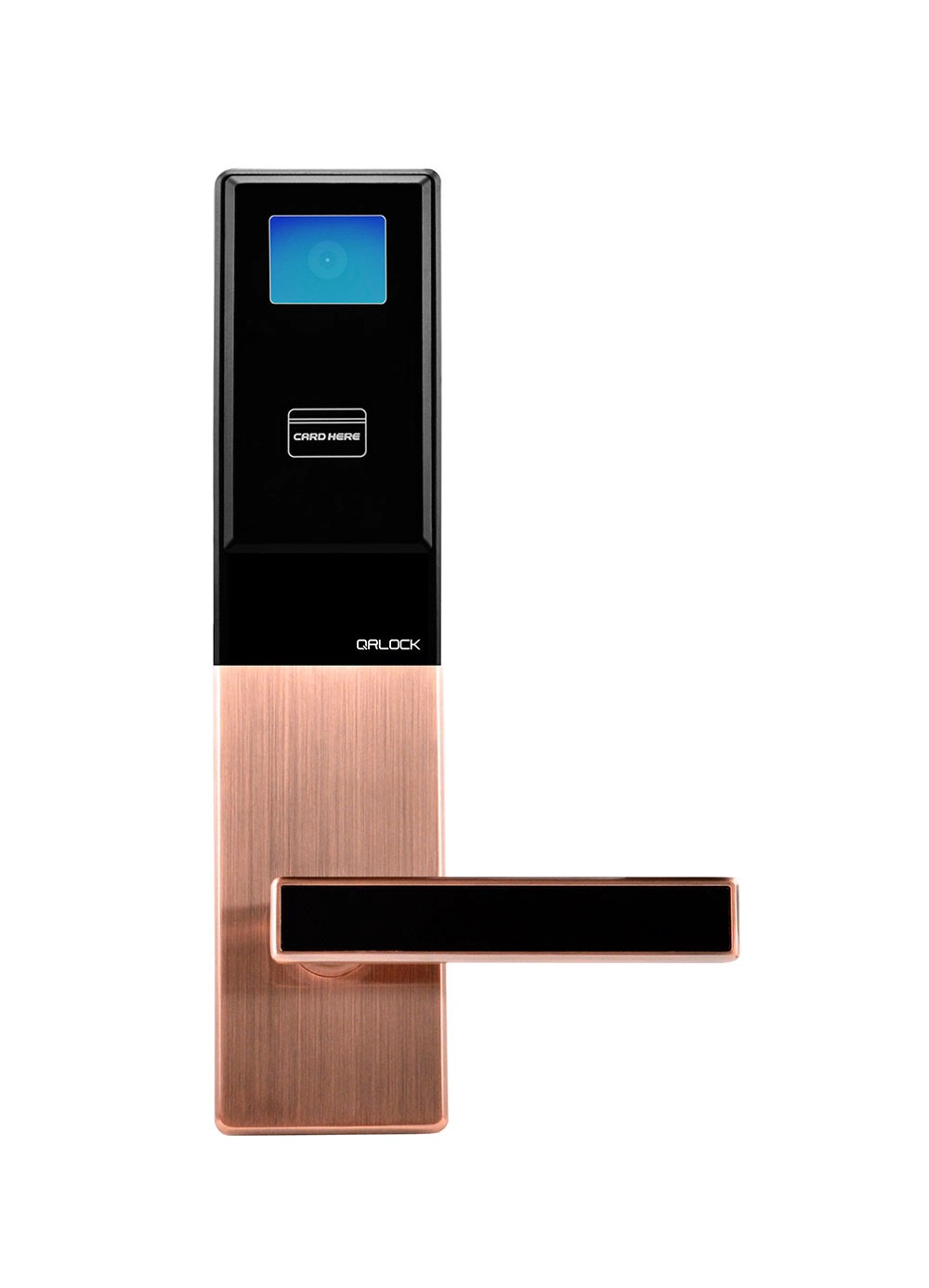
For environments requiring multiple credential options, hybrid solutions offer greater flexibility. A Face Recognition RFID Door Lock manufacturer China produces locks that combine facial recognition with RFID card reading. This dual-mode approach allows different user groups—such as residents, employees, and temporary visitors—to choose the credential that best suits their needs. The integration of both technologies in a single device simplifies access management and improves user convenience while maintaining high security standards.
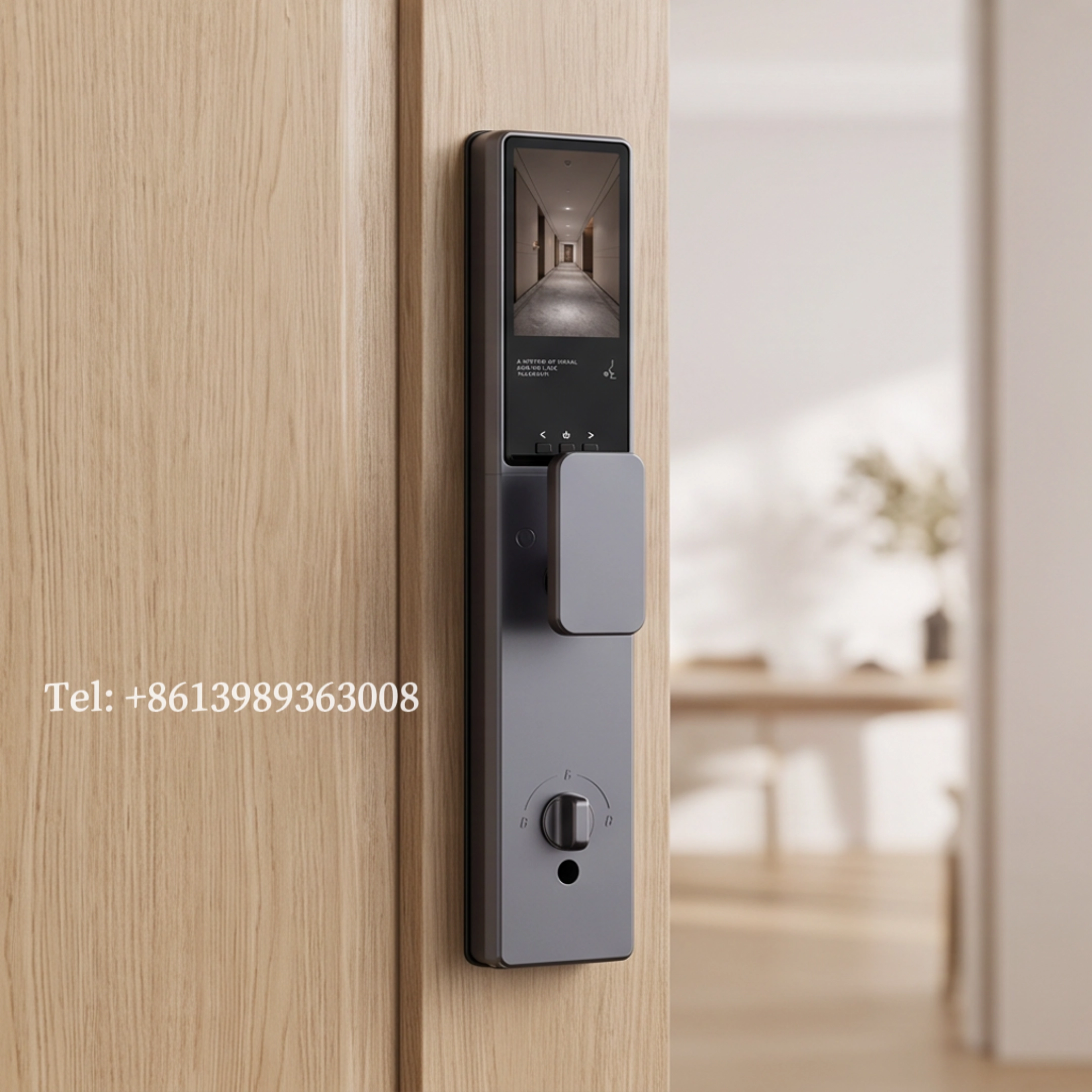
Companies such as Ningbo Loyal Mechatronics Co., Ltd. contribute to this ecosystem through their expertise in electronic control systems. Their product development includes electronic locks, hotel locks, and smart access solutions that incorporate biometric and RFID technologies. By focusing on reliable electronics and robust mechanical design, they support the broader industry’s move toward integrated, intelligent access control.
Looking ahead, the convergence of 3D facial recognition, RFID, and cloud-based management will continue to shape the smart lock sector. Future systems are expected to feature enhanced privacy protections, real-time monitoring, and seamless integration with building automation platforms. As demand for secure, convenient, and scalable access solutions grows, the role of specialized manufacturers and suppliers in delivering reliable hardware will remain essential to the industry’s progress.


