








Meeting Diverse Access Needs: Apartment, Residential, and Hotel Lock Solutions
The global demand for secure, convenient access control continues to grow across residential and hospitality sectors. Different environments require different locking technologies: apartment buildings need durable, multi-user systems; private homes benefit from keyless digital entry; and hotels depend on electronic locks that integrate with property management platforms. This diversity has driven specialized manufacturing in China, where factories produce a wide range of electronic locking solutions for international markets.
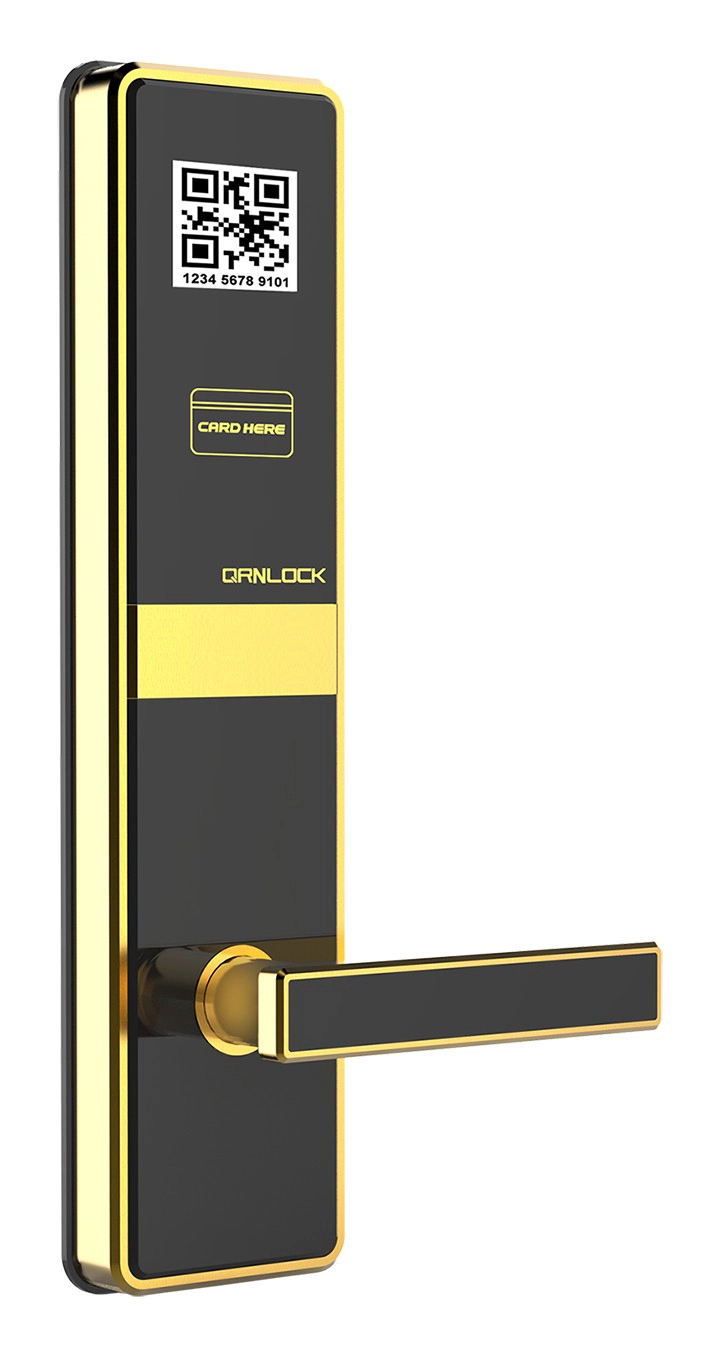
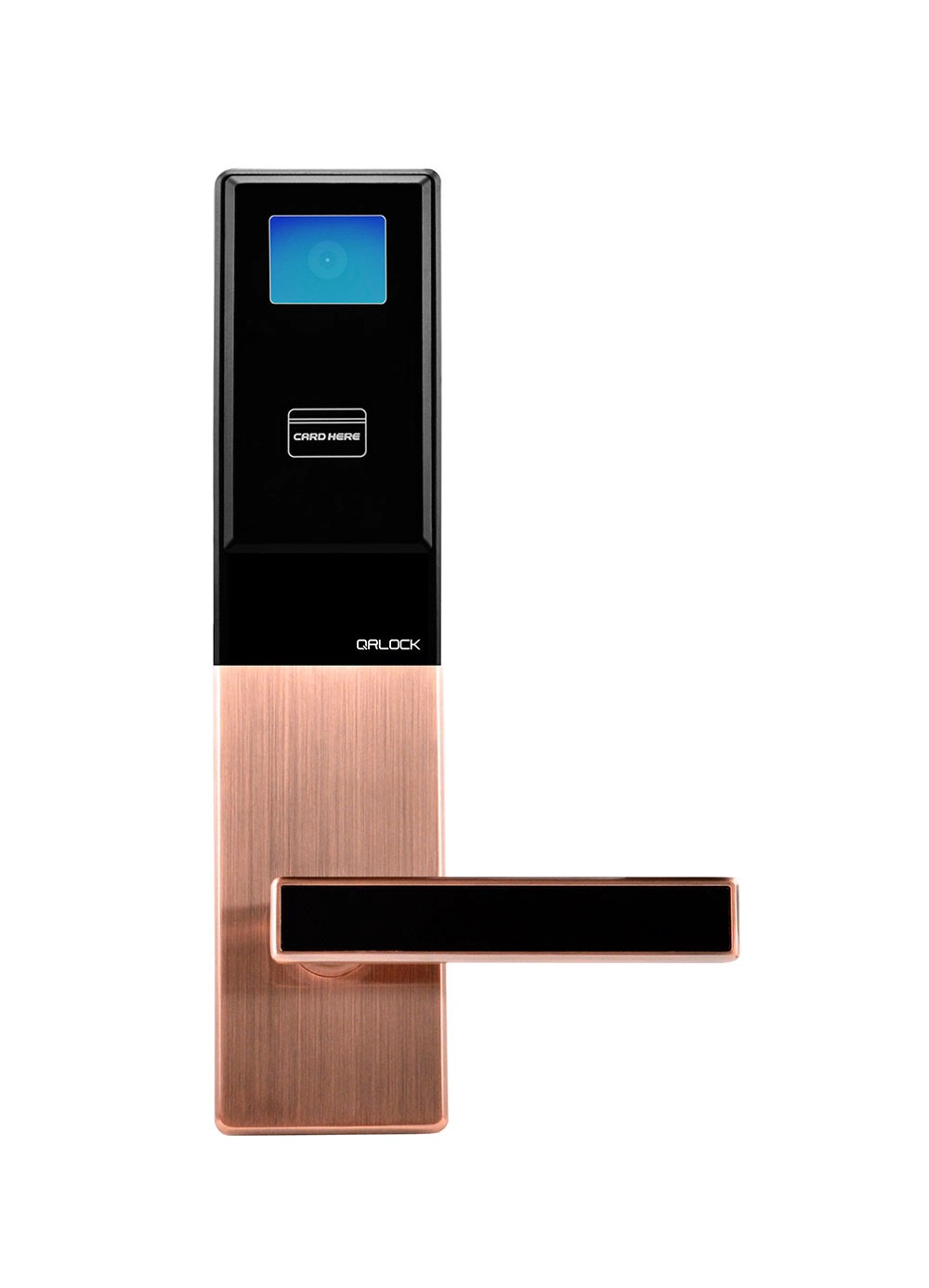
For multi-tenant residential buildings, durability and centralized management are essential. UN Apartment door lock manufacturer China focuses on producing locks that withstand frequent daily use by residents, maintenance staff, and delivery personnel. These locks often support multiple user codes, integrate with building intercom systems, and can be managed through cloud-based platforms. The emphasis is on reliability and scalability, allowing property managers to control access across hundreds of units without replacing physical keys.
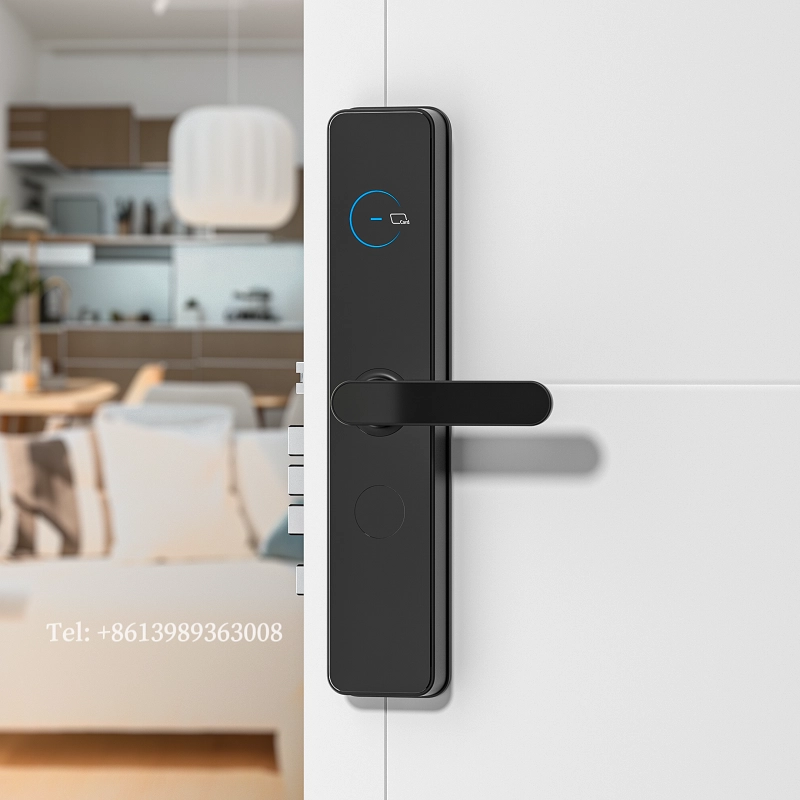
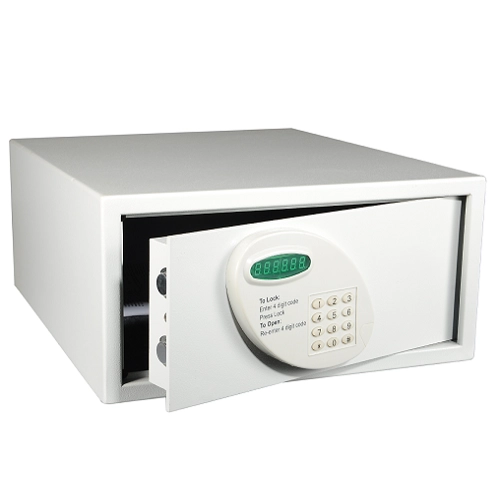
In residential settings, homeowners increasingly prefer keyless convenience and simple code management. UN Digital Password Door Locks factory produces locks that operate via programmable PIN codes, eliminating the need for physical keys. These locks typically feature backlit keypads, anti-peep technology, and temporary code options for guests or service providers. The manufacturing process prioritizes keypad durability, battery efficiency, and intuitive programming, making digital password locks a practical choice for modern homes and small offices.
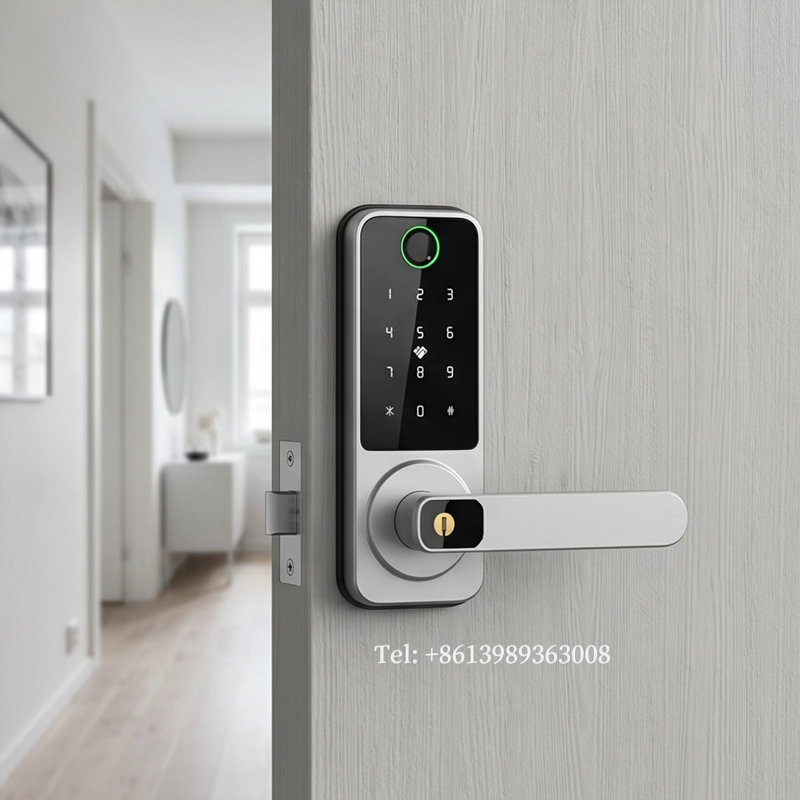
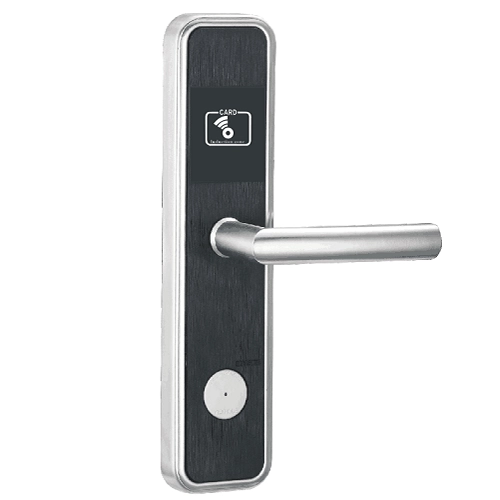
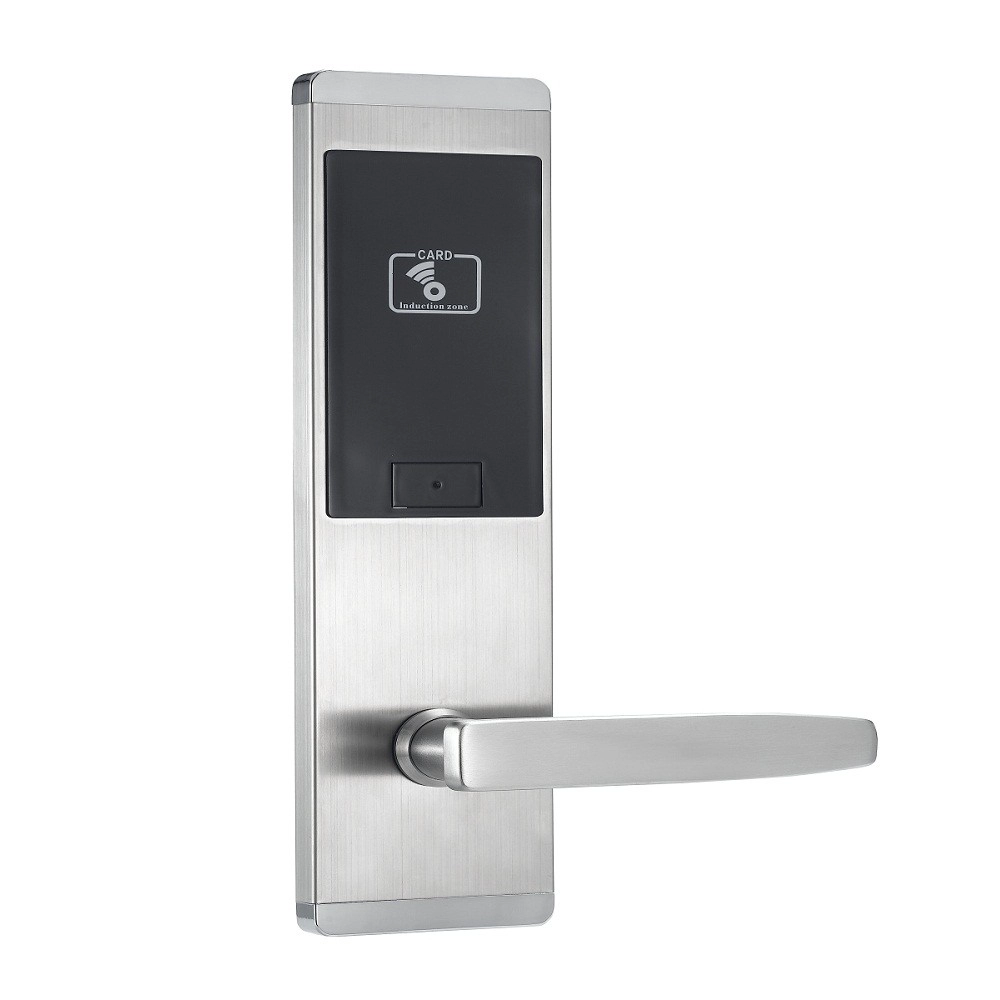
The hospitality industry requires locks that handle rapid guest turnover and integrate with front desk operations. UN Hotel RFID lock factory China manufactures locks that use RFID cards or key fobs, enabling instant card encoding at check-in and automatic expiration at checkout. These systems connect directly with property management software, providing audit trails and multi-level access hierarchies for guests, housekeeping, and managers. Rigorous cycle testing ensures reliable performance in high-traffic hotel environments.
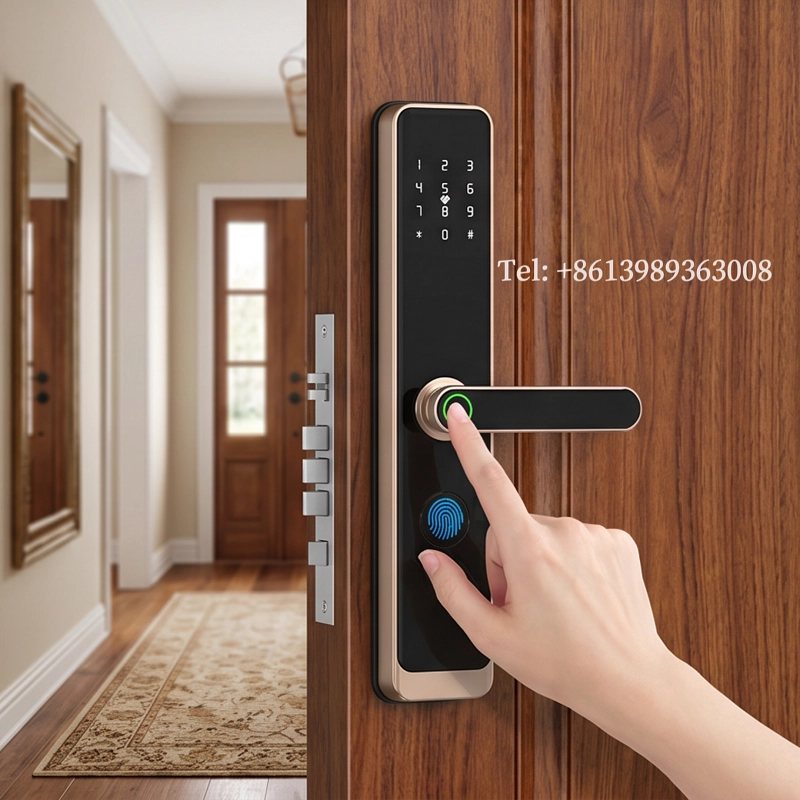
Companies such as Ningbo Loyal Mechatronics Co., Ltd., with their expertise in electronic control systems, contribute to this ecosystem by developing reliable locking electronics and user interfaces. Their work supports the production of apartment locks, digital password locks, and hotel RFID locks, reflecting the versatility required to serve diverse access control needs.
Looking ahead, the convergence of these technologies will continue. Future apartment locks may incorporate mobile credentials, residential digital locks will add biometric options, and hotel RFID systems will expand support for smartphone-based entry. As the lines between residential, rental, and hospitality spaces blur, the role of specialized manufacturing in delivering secure, interoperable, and user-friendly locking solutions will remain essential.


